Wildlife Gardening Monthly
Welcome to your free, monthly guide to helping wildlife in your garden.
Thanks to funding from The National Lottery Community Fund, we’ll be sharing a new guide every month for the next year, with simple, seasonal advice to help you feel confident taking action for wildlife wherever you live. Check out the video below, read the post or download the PDF to read later and keep forever.
Want each new guide sent straight to your inbox? Sign up to our newsletter and follow along with us throughout the year.
August in the garden is a surprisingly hands off affair. Hurrah!
The main wildlife gardening event is keeping your critical plants watered, which will ensure that they continue to provide pollen, nectar and foliage for our invertebrates. But watering responsibly takes a lot more thought that a lot of people tend to give it. In this guide we talk you through the ins and outs of watering to help your local wildlife while ensuring that your gardening has minimum negative ecological impact but maximum biodiversity benefits.
Providing water for wildlife
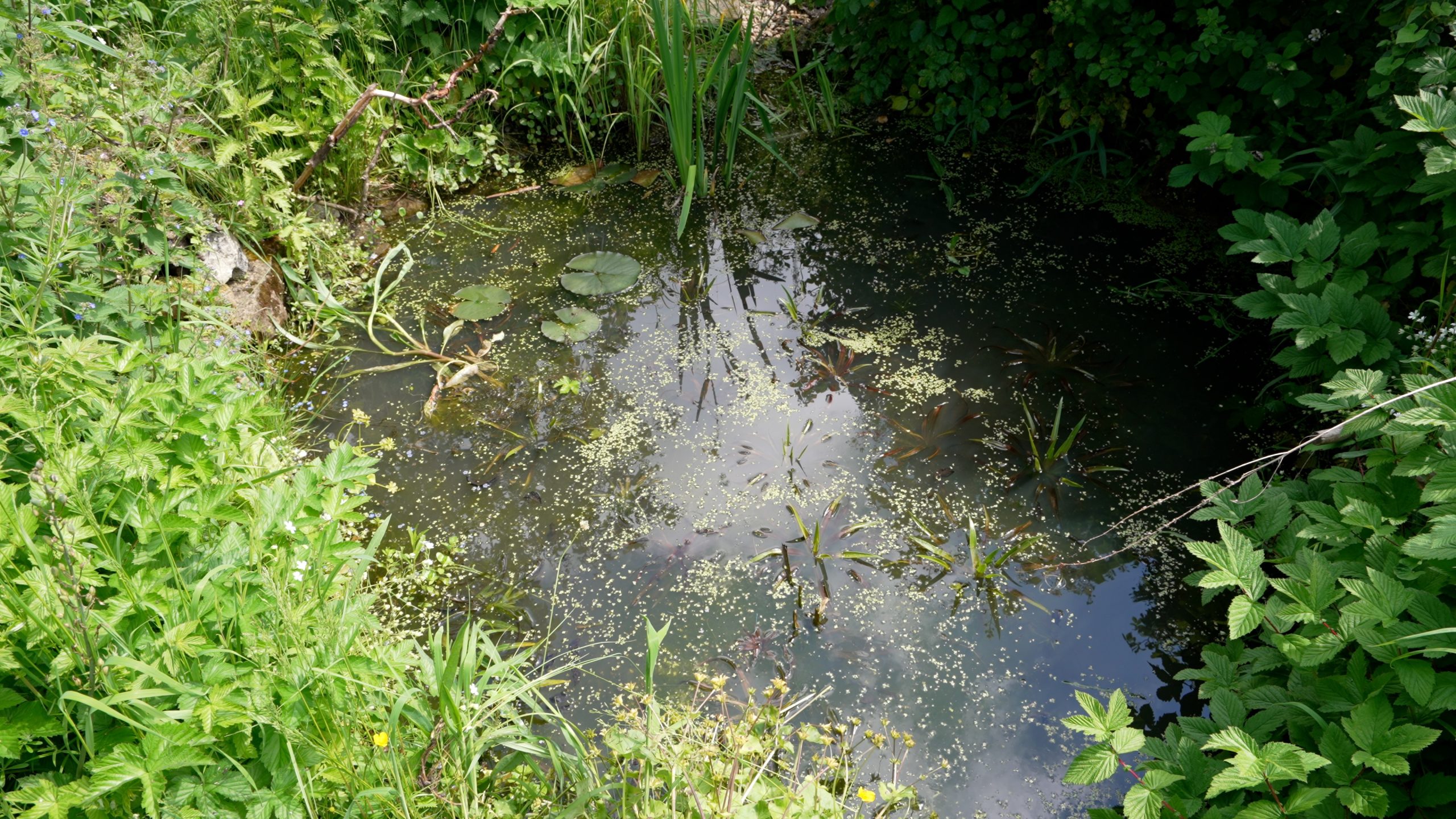
When we talk about water in wildlife gardening, there are two parts. One is simply ensuring that your wildlife has access to water. You’ve definitely heard this before, but hands down the best way to do this is to put a pond in! Even a mini pond can contain enough of an ecosystem to keep populations of things like mosquitoes at bay, while a diversity of plant and animal life can ensure that diseases don’t build up.
If you have a bird bath or water dish for hedgehogs and other mammals, it’s essential to keep them clean. Change the water daily, and wash the bowl out between top ups. This prevents diseases and parasites from building up and being passed on amongst the locals.
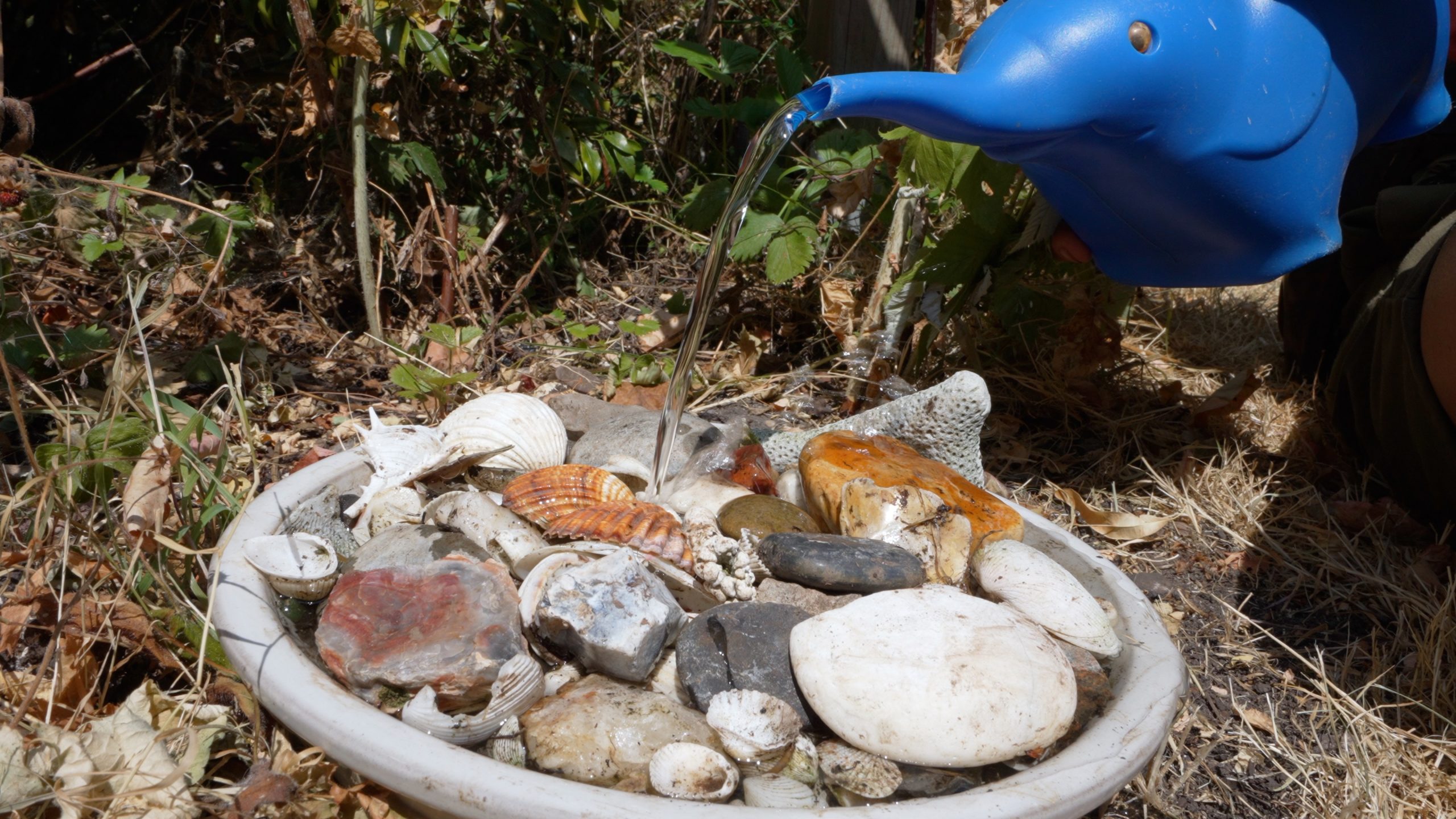
At an even smaller scale, just putting out multiple smaller trays of water, with pebbles for creatures to land on, can be a lifeline for flying insects on the hottest days. ‘Bee drinkers’ can be as artistic as you want them to be!
The second part is keeping your plants alive. In our rapidly changing climate, this task can feel increasingly difficult, but there are some key tips and tricks to ensure that you don’t waste water but do continue to have plants that thrive.
Watering Plants
How to water
(Sorry if this sounds like teaching grandmother to suck eggs!)
Firstly, water in the mornings (or evenings if you really can’t!). The soil is coolest at that time, and the sun is weaker, which means it won’t immediately evaporate.
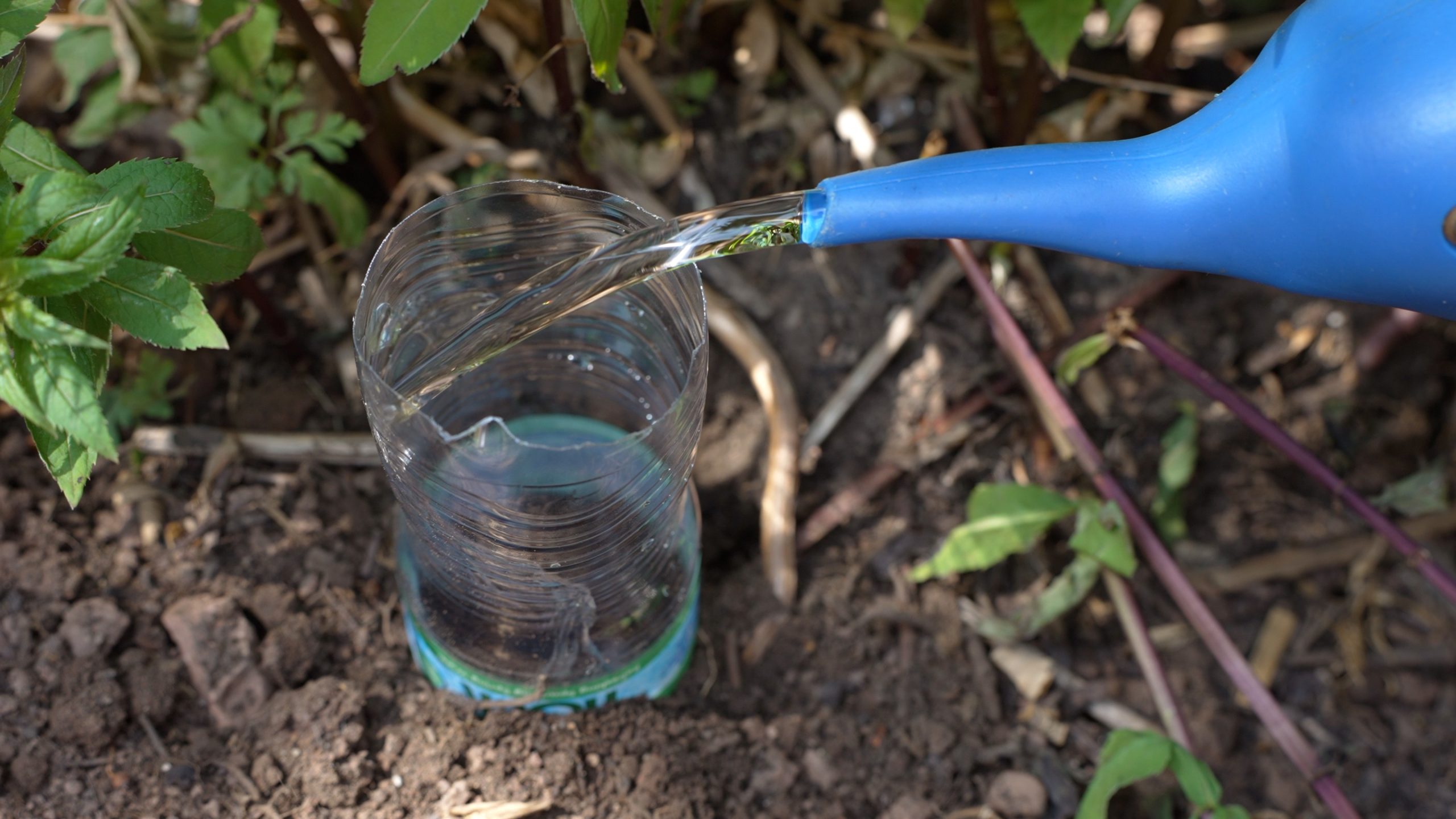
Water really thoroughly, and for any plant in the ground, it’s always better to give a good dousing, less frequently, rather than a little and often. This means that water gets to the roots, which then also grow down as it drains. If you keep surface watering it encourages all the roots to stay at the surface, and your plants will be less able to cope with drought. Try to check that the water you’re putting down is soaking into the soil and not just running off it. If you have silty soil this can be pretty hard; try making a funnel with the top of a plastic bottle and fill that up and let it drain a few times to really get it underground to where it’s needed
What to water
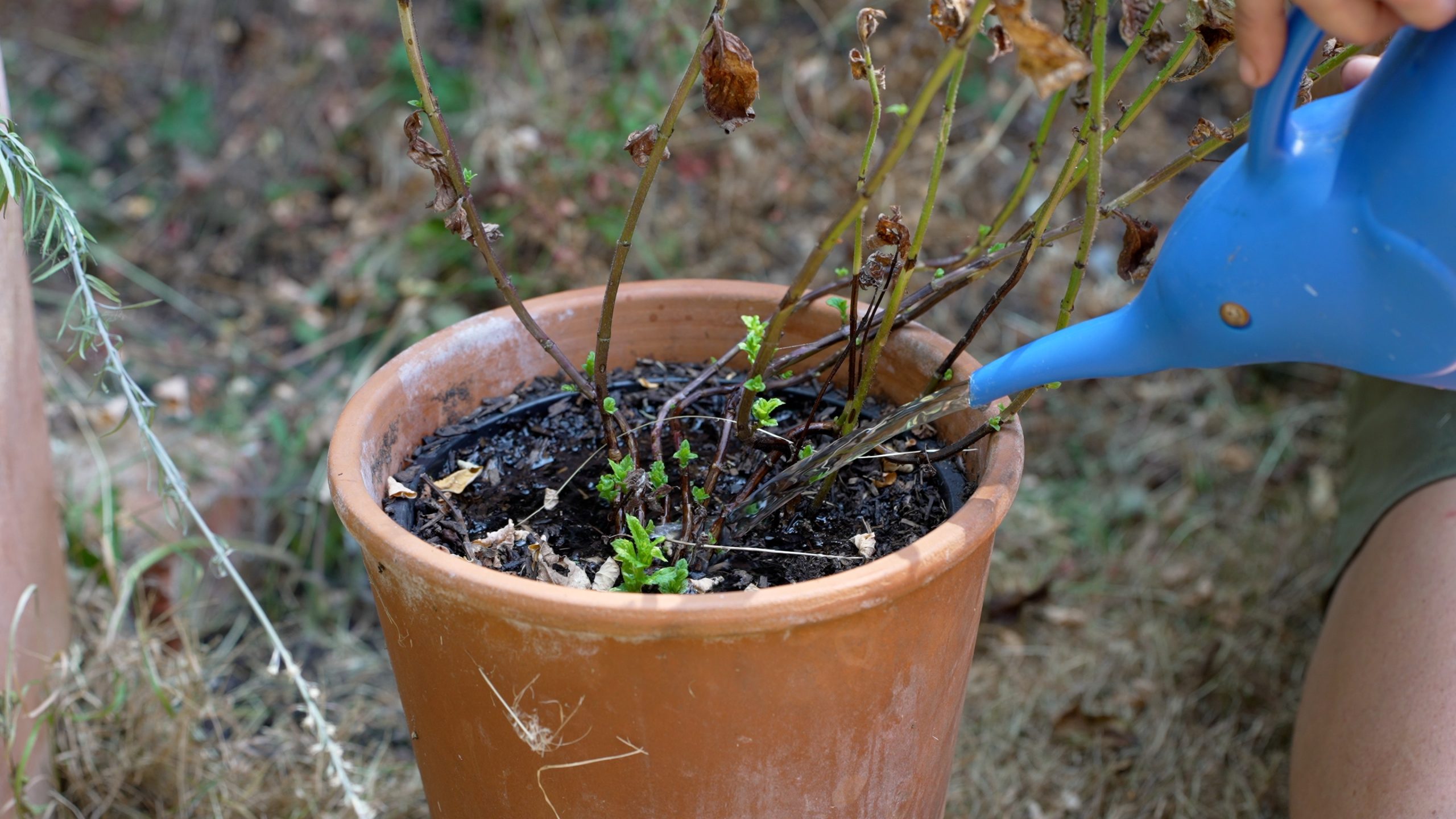
Plants in pots will probably need watering on a daily basis, but if you place them into pot saucers, any excess H20 will still be used by the plant (or provide invertebrates with even more crucial drinking water). If you can move pots to a slightly shadier spot if we’re in a period of extreme temperatures, that will also help reduce how much water is lost from the plant.
When it comes to plants in the ground, always keep new plants watered. New trees and shrubs will need watering for at least their first couple of summers, to ensure that their roots can get down. Set a reminder if you need to, life has a habit of getting in the way and you’d be really forgiven for forgetting.
For more established plants, in our increasingly droughted summers, we all have a responsibility to conserve water. Sadly, this does mean that sometimes, some plants can look a little sad. In those times it’s good to sit on your hands, adopt a selective approach to watering, and to remember that even crispy plants above the ground are providing really important shelter, shade and protecting the soil, and all its life, from the drying sun.
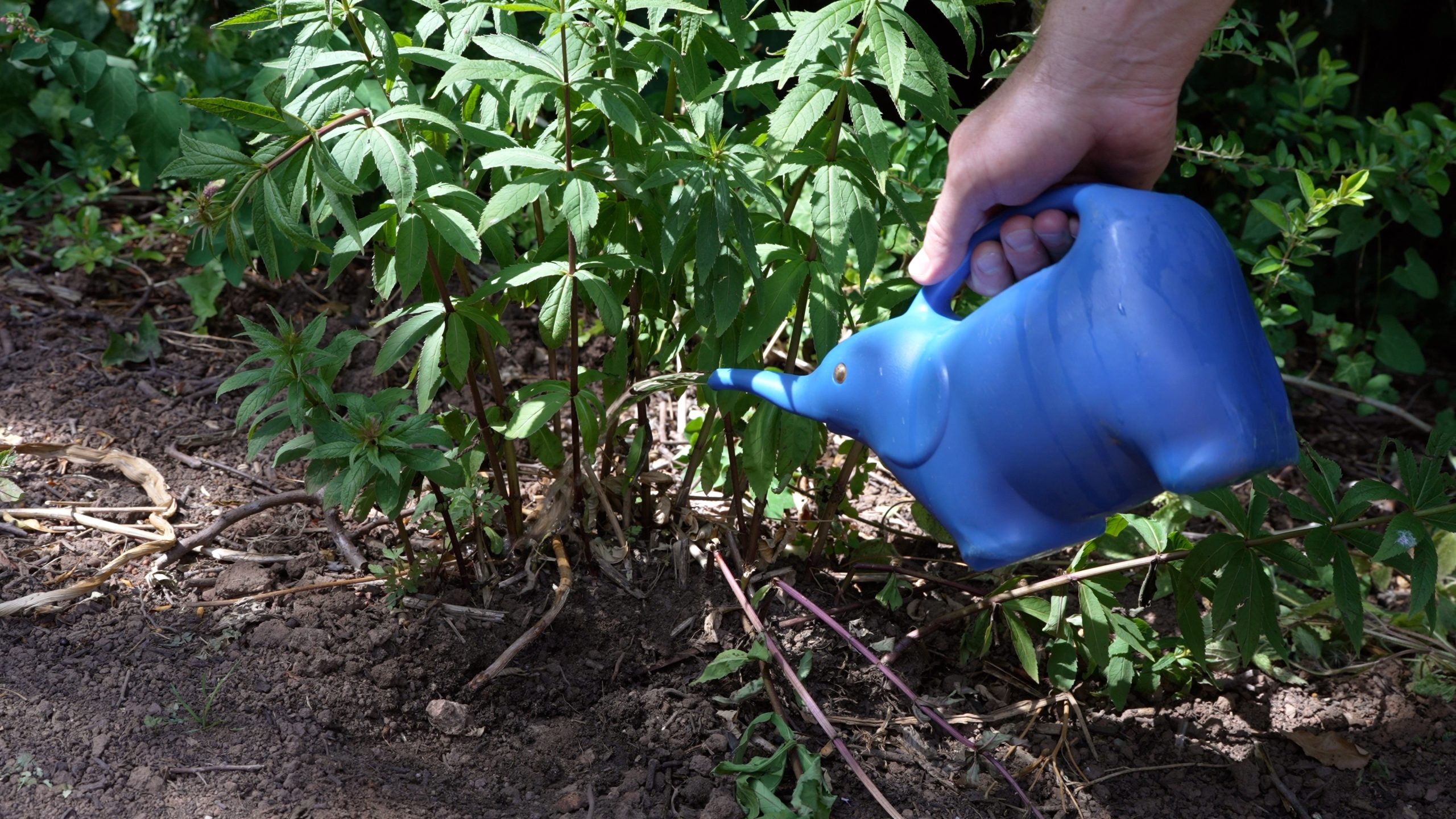
If a plant is in full flower, and just a little wilted, it’s good to keep it going as it will be providing important pollen and nectar for pollinators. When a plant is fully wilted and would require a lot of water to get it back, cut your losses and do emergency watering only; keep the roots alive with a good soak once every few weeks and keep the foliage intact. If you can, mulch the roots with some peat free compost after watering.
When a plant has shown signs of suffering for a few summers, it’s definitely time to cut your losses and either move it to a better location, or give it away if that location doesn’t exist. The phrase ‘right plant, right place’ is increasingly important as we try to reduce the wider impact of our gardening. The summer is an excellent time to review that, and to make plans for some exciting autumnal moving and shaking.
Watering tips
Finally, there are some general, longer term tips to get the most out of your garden while minimising watering work for you.
- If you can, reduce the number of pots you have; can you grow in the ground instead? Lift paving slabs where you can, go forth and be bold!
- Plant in the autumn. This is hands down the best time to put new plants in. The soil is warm, and hopefully rain has returned. As it’s the dormant season for a lot of plants, they can put their energy into growing roots over the winter, when you’re less likely to need to do additional watering. Come spring you should have a more established plant that will hopefully need less water.
- Plant small; if you’re putting in trees and shrubs (we hope you are!), consider buying smaller plants. If you can, get them bare root. The less top growth there is, the faster the roots will get established when you plant them out, which means the faster it will then start to grow into the space.
Wildlife gardening tips for the month
Soil health
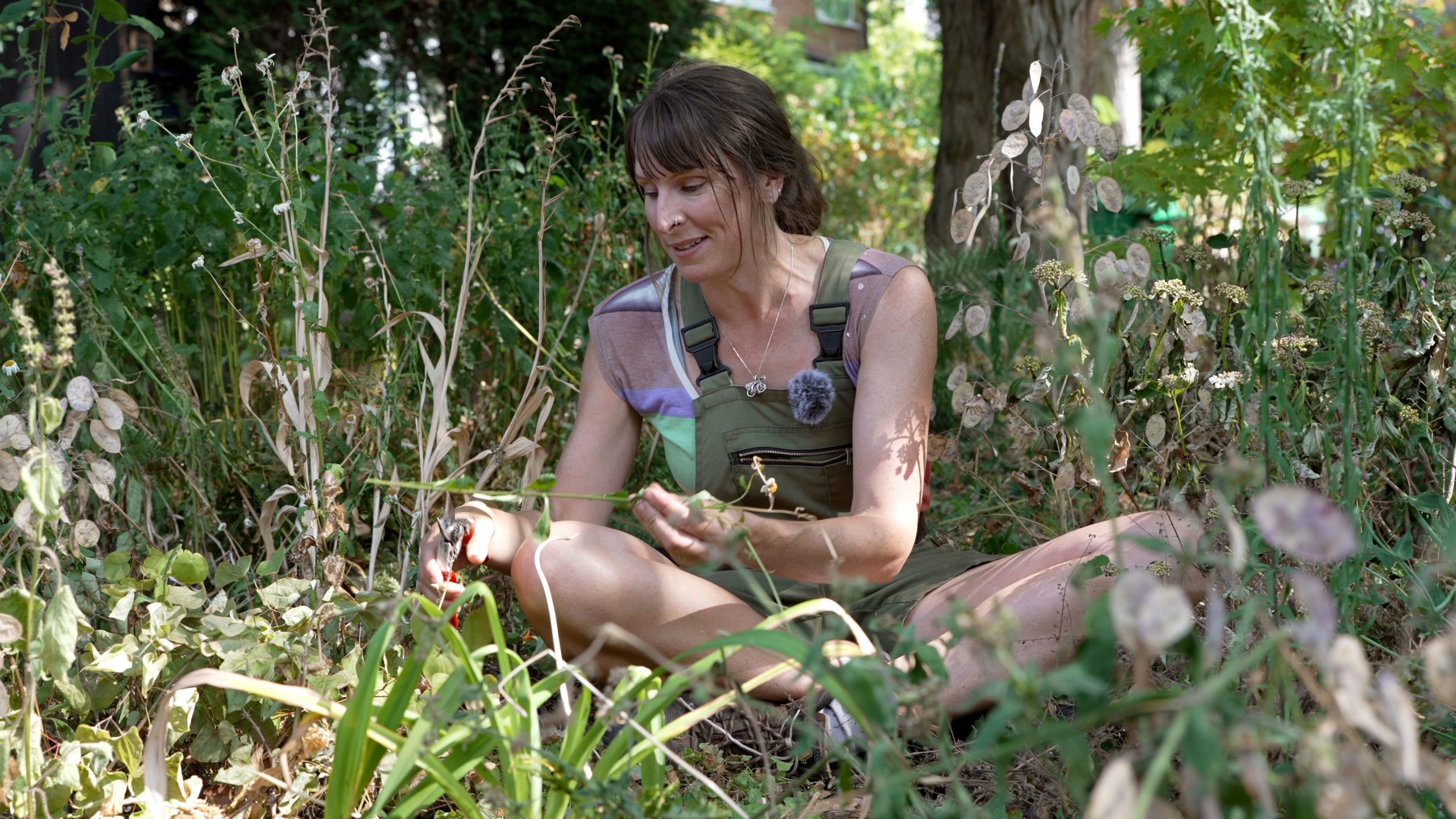
Soil health is everything at any time of the year and in any weather condition, but in the summer it probably needs that little extra help. Focus on keeping the soil covered as much as possible. We’re obsessed with the concept of garden foofing here at the Wildlife Garden Project; if you’re unhappy with keeping lots of flopped dead plant stems, simply chop them up and drop them onto the soil. It’ll immediately neaten up the look of an area without actually removing vital cover.
Let it seed
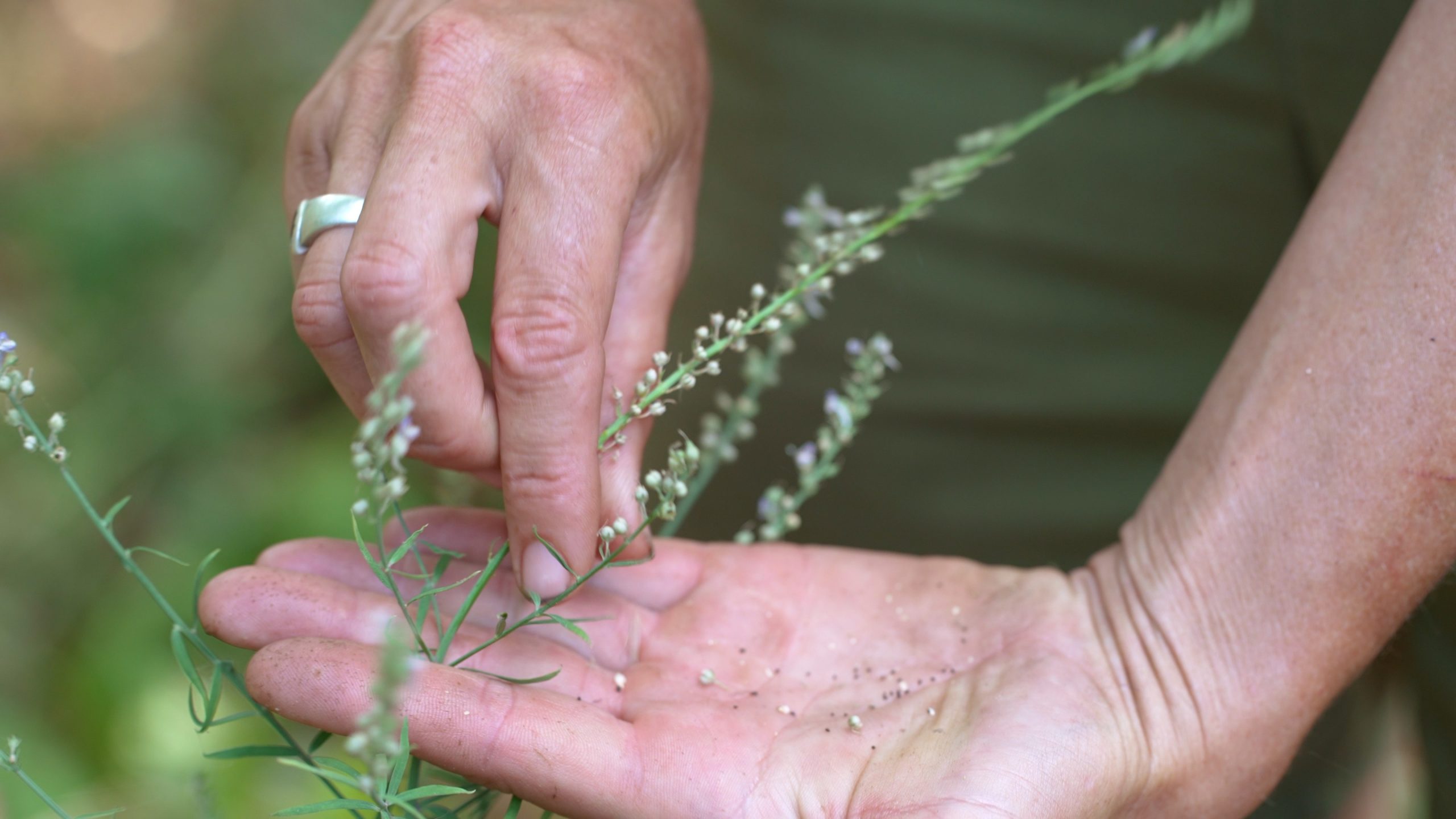
Keeping our wildlife fed is as simple as having plants. Encourage your plants to provide food by allowing seedheads to form. Relax your approach to deadheading; you’d be surprised to see how a lot of plants will still reflower even without it.
Now that we’re discouraged to put out supplementary seed for birds (finches in particular) from May-October, because of the spread of disease at bird feeders, letting our plants do the graft is even more essential.
Keep prunings
As plants die back, if there are any that you are pruning, try to start keeping stems (particularly hollow ones!) for your twigwams and habitat piles.
Pithy bramble and rose stems make fabulous habitats, and you may be pruning this years flowered/fruiting stems back in and around august. Keep them and get creative with habitat building!
Wildlife friendly lawns
If there hasn’t been much rain, there’s a good chance that the grass in your lawn is a crispy beige colour by this month. Whatever you do don’t water it. Grasses are tough and the roots stay alive for a lot longer than the top growth. In extreme droughts you may get some patchiness come autumn, but this just gives you a great opportunity to sow the seed of other good lawn plants, You could try:
- Clover (Trifolium repens)
- Birds Foot Trefoil (Lotus corniculatus)
- Self Heal (Prunella vulgaris)
- Common Daisy (Bellis perennis)
- Yarrow (Achillea millefolium)
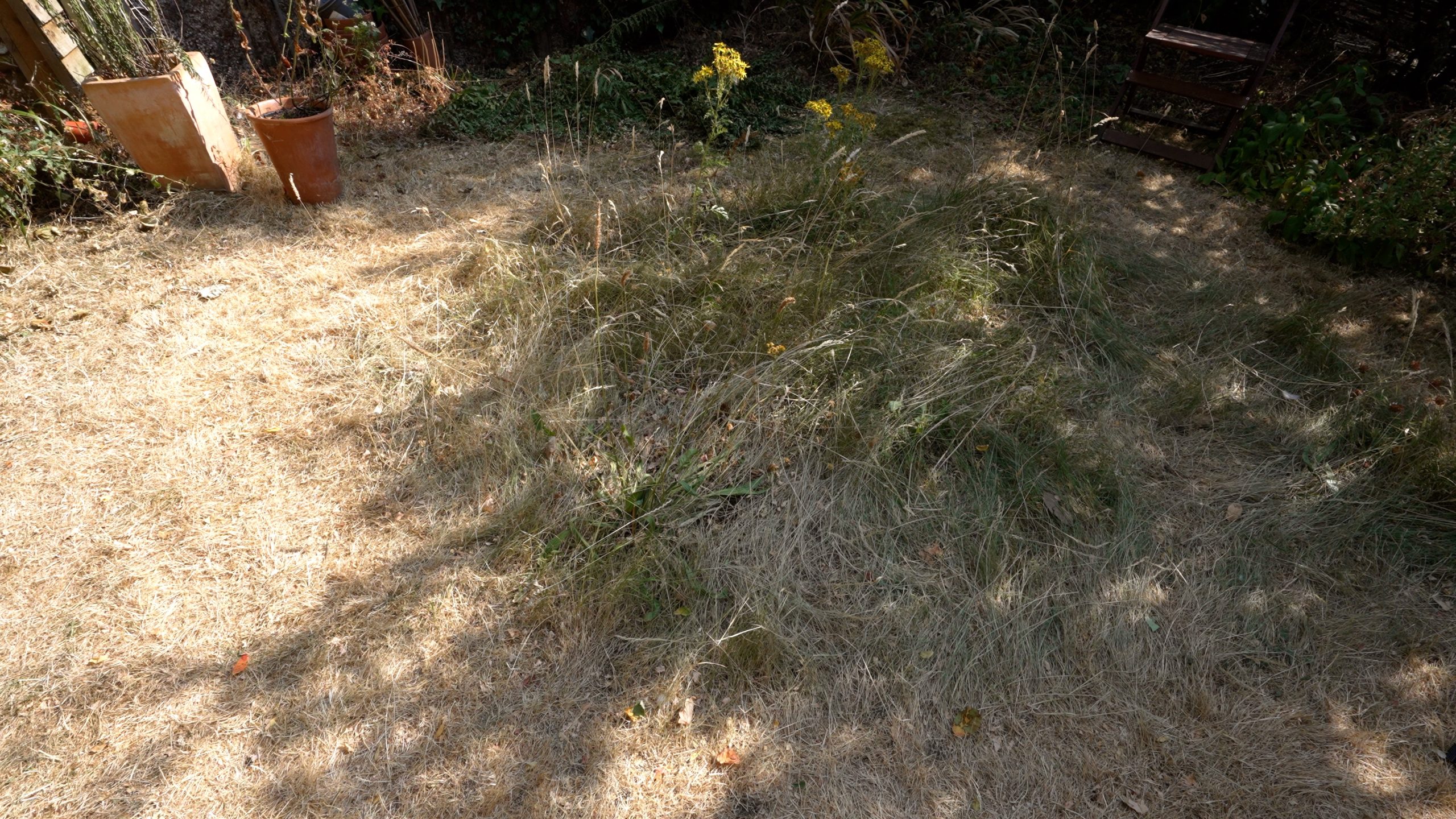
Leaving your lawn longer will also make it more resilient, so next year think about raising the height of the mower, or even better, joining the charity Plantlife’s No Mow Movement, and growing a mini meadow, with all its potential biodiversity.
Thinking ahead
In this part of the guide we gently signpost you to think about what might be needed over the next few months. A lot of gardening guides focus on the here and now, but it’s really good to remember that it’s a long, gentle game.
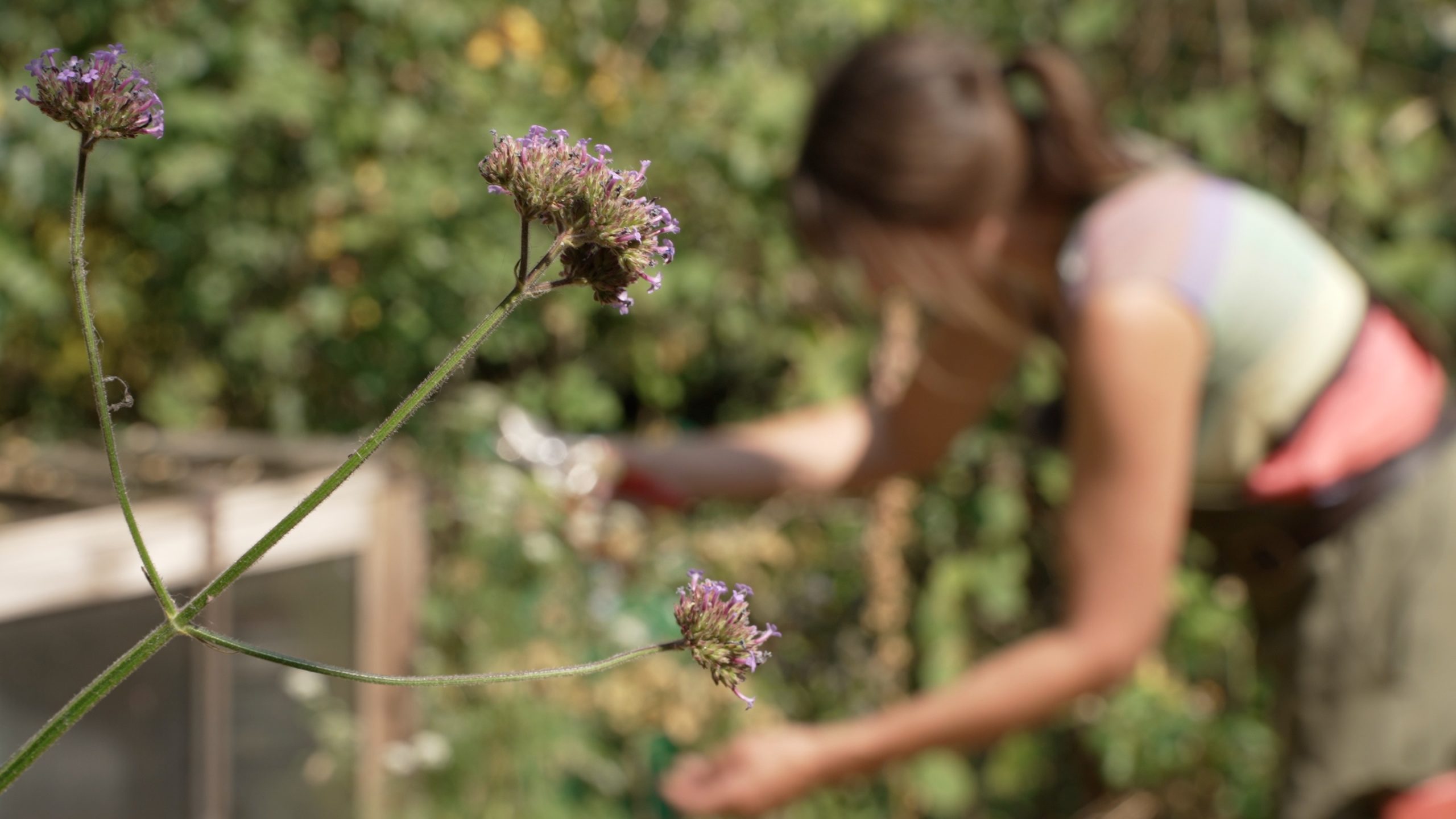
The shorter to do list and time that you spend wandering round your garden with a watering can gives you a really great opportunity to observe.
- See what’s in flower; can you supplement for following years? Think about what flower forms you have, try to get a range of shapes.
- Are there any drought resilient native plants that you could encourage?
- Where in your garden needs some ground cover?
- How can you supplement the nectar provision with later flowering non native plants?
Get your notebook out and write a desire list for autumn planting, for the best establishment of the plants for following years. And August is a great month to pre-order spring bulbs that you’ll be planting in September-November.
Finally, keep enjoying your garden!
Written by Ellie Mitchell