Wildlife Gardening Monthly
Welcome to your free, monthly guide to helping wildlife in your garden.
Thanks to funding from The National Lottery Community Fund, we’ll be sharing a new guide every month for the next year, with simple, seasonal advice to help you feel confident taking action for wildlife wherever you live. Check out the video below, read the post or download the PDF to read later and keep forever.
Want each new guide sent straight to your inbox? Sign up to our newsletter and follow along with us throughout the year.
In October, gardeners used to be encouraged to ‘put the garden to bed’ for winter. This used to mean cutting everything back and maybe manuring your roses. Thankfully, times have moved on and we’re more clued up now about soil health, plant health and the needs of wildlife. This new knowledge all means that we should in fact do the exact opposite where possible; we say that, like us, your garden should be dressed up for the cooler winter months!
Dressing your garden up can happen in lots of ways, from keeping your soil covered with living, ground cover plants, or dead plant material like autumn leaves or woodchip, to leaving dead stems standing for as long as you can. Read on to find out why and how.
As well as covering bare soil, in October you also get to continue planting exciting new plants, as well as your spring bulbs (not Tulips yet though!). This guide focuses on what to look for when choosing new plants for your garden, especially given our rapidly changing climate, and the ins and outs of planting potted plants.
Finally, as we roll into winter, our attention should turn to making sure that wildlife has enough food to keep it going. First and foremost food via plants, but also through supplementary feeding.
Embrace death in the garden
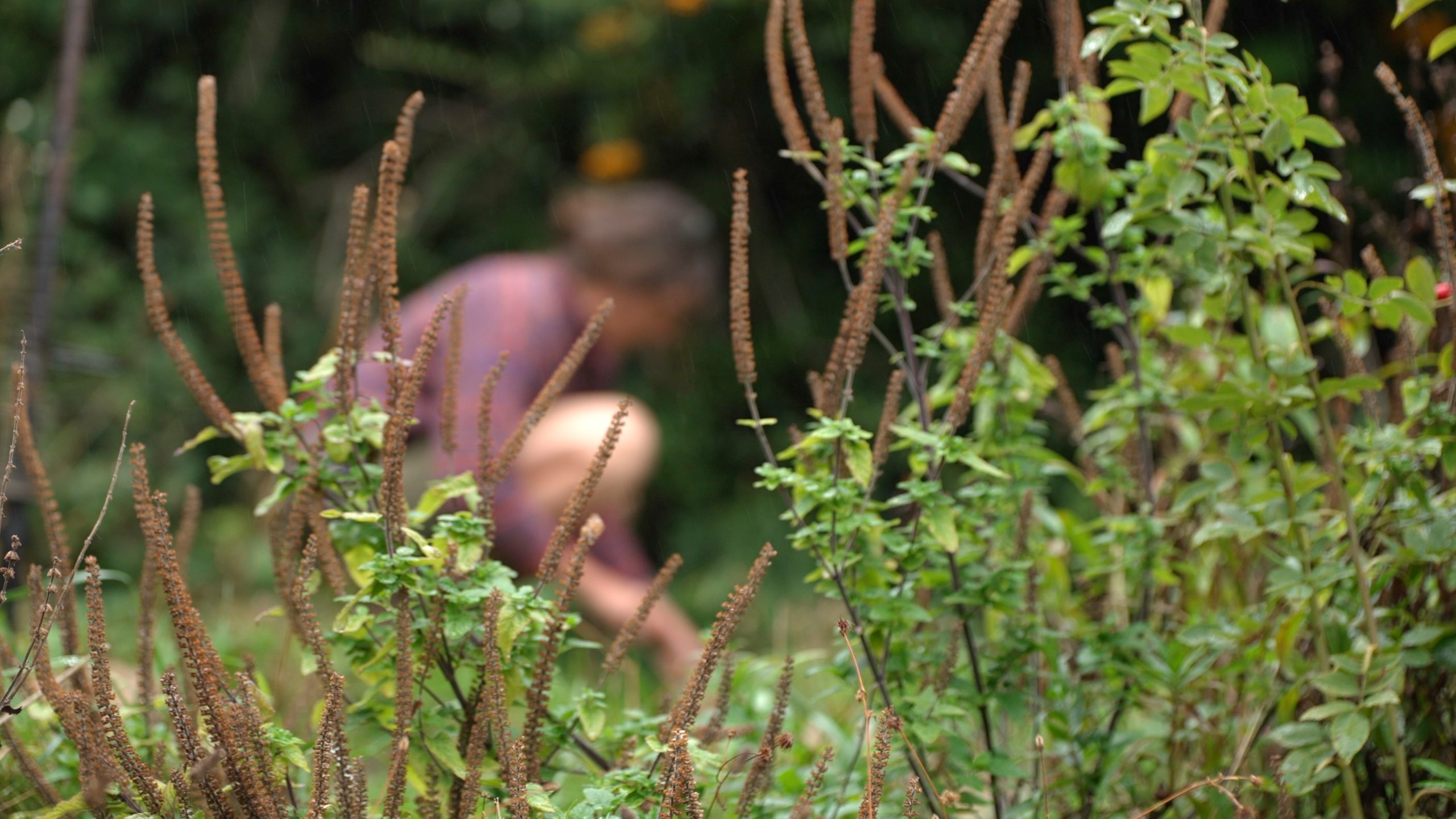
It is the month of Halloween, after all! At this time of the year deciduous trees drop their leaves, the colour drains from spent flower stems and the bones of your garden are revealed. Don’t be tempted to clear all this material away, it could be vital to wildlife in the garden.
Old plant stems
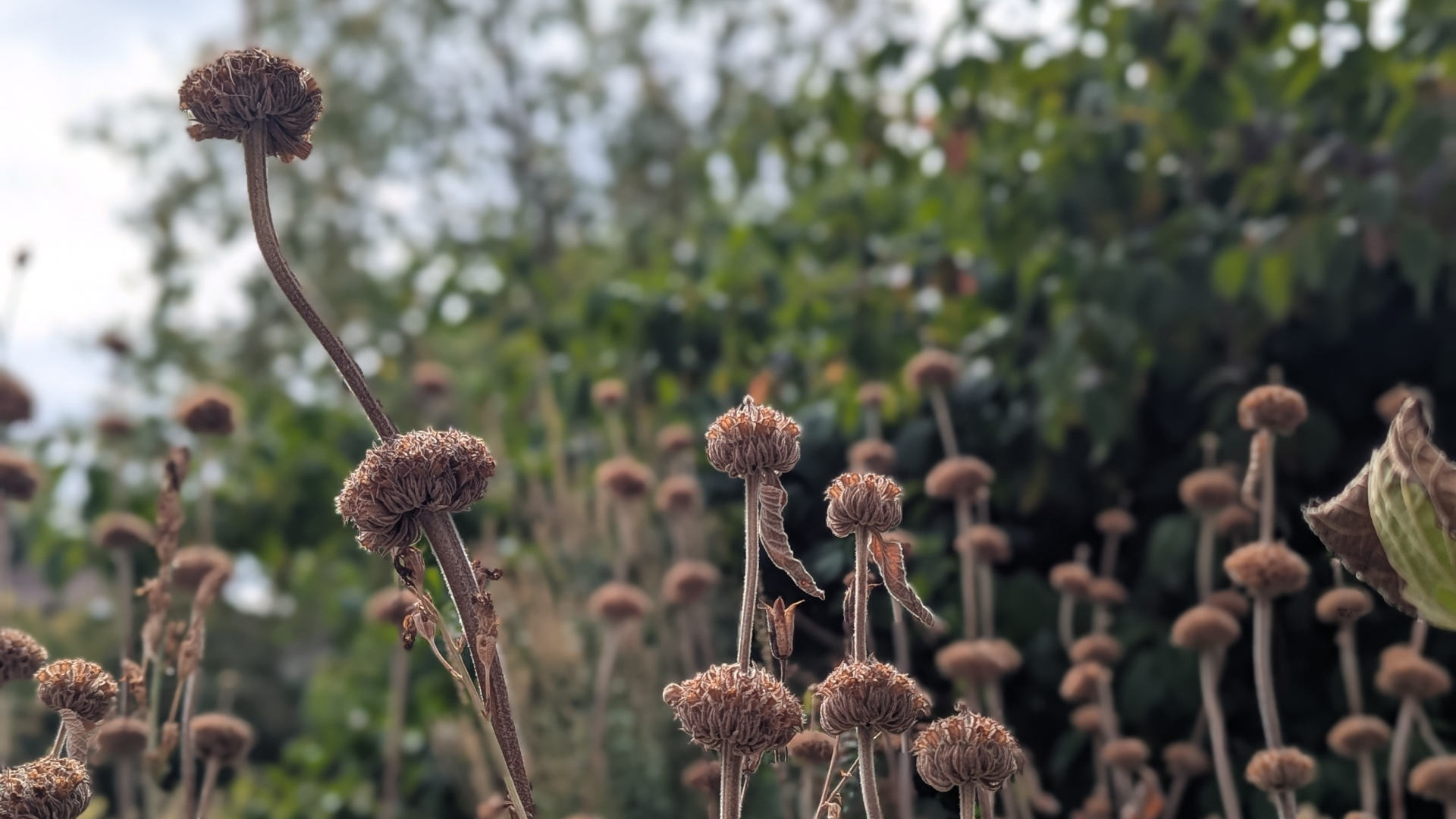
Firstly, at a purely aesthetic level, a lot of it can be beautiful – old upright stems of your summer flowering perennials catch the frost on winter days, giving you something to gaze out at rather than an empty space.
Those stems could also harbour hidden invertebrates. Some parasitic wasps and bees, and many other creatures call upright hollow or pithy stems home for themselves or their offspring. If you can, keep them upright for as long as possible into the following year. Some plants are more robust than others; the hollow stems of Hogweed will stay standing for a full year after it’s grown.
Keeping your garden complex, with upright structure simply means that there is more space for more creatures to hide away.
Leaves
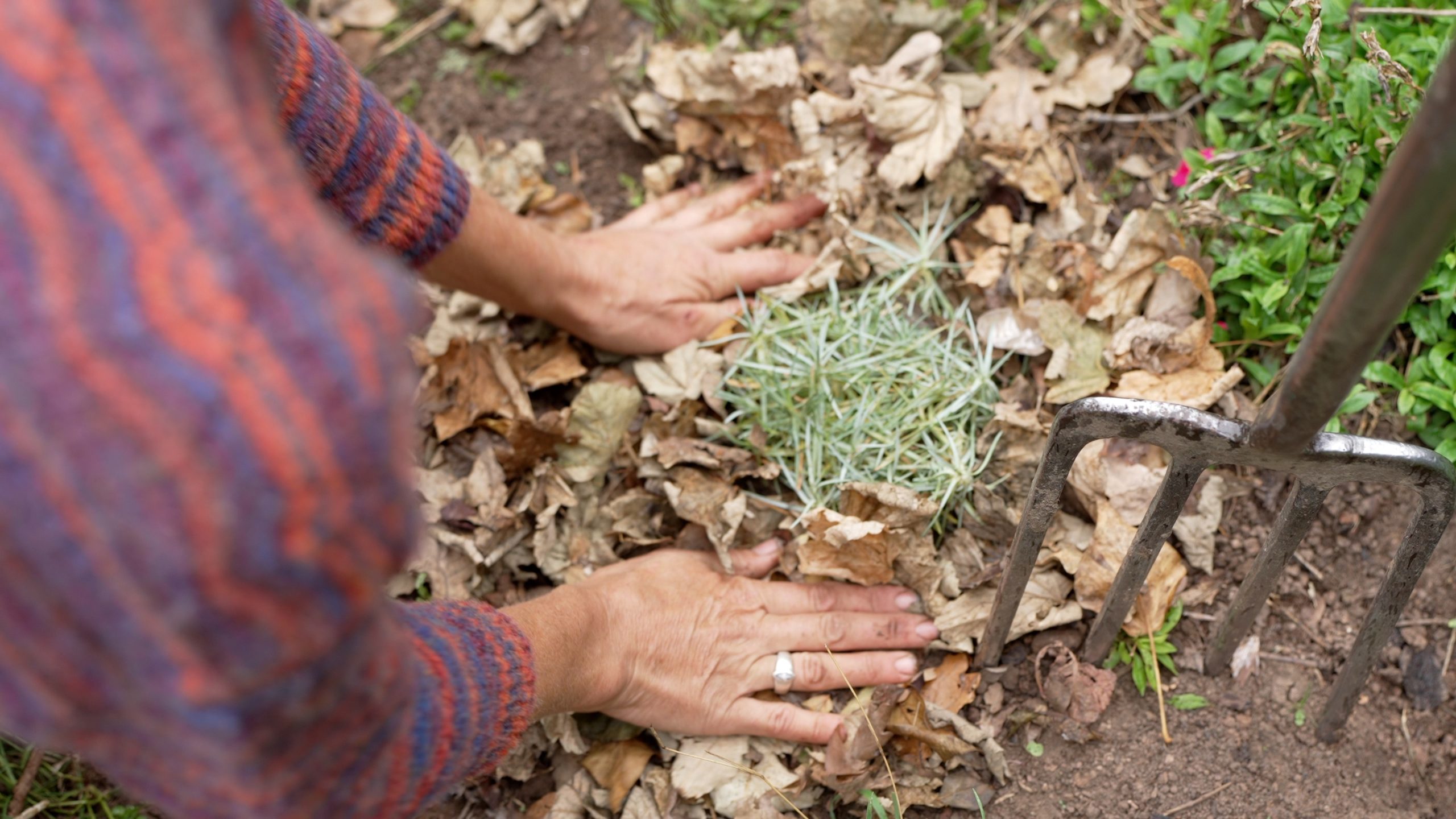
On the ground, autumn is when free mulch (anything that covers and protects the soil) rains from the sky, with our deciduous trees shedding their leaves. Leave a 5-10cm layer of leaves on your borders to feed soil life and protect from the cold, wet winter weather. Moth pupae are also likely to be hunkered down and hidden amongst leaf litter, ready to emerge the following year. Do remove leaves from lawns, and try to not smother herbaceous perennials too much (keeping their stems standing helps with knowing where they are!). Some leaves break down better than others, and larger leaves benefit from being chopped up before being left on borders. Mowing over them will do this quickly.
Planting plants
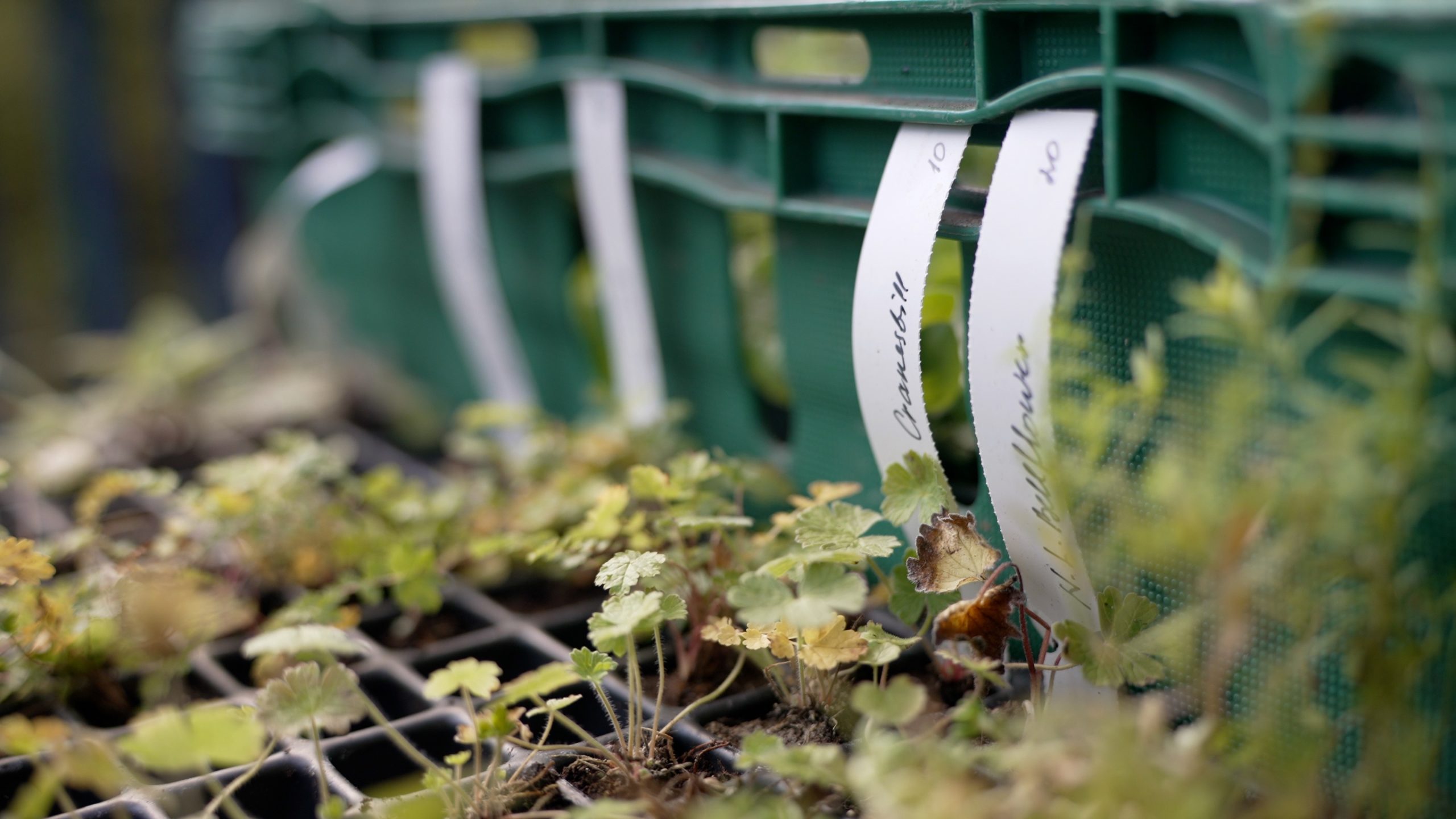
Autumn is THE planting season in the UK now. The soil is warm, watering usually happens from the sky, and it’s the time to put in spring bulbs.
Ground cover
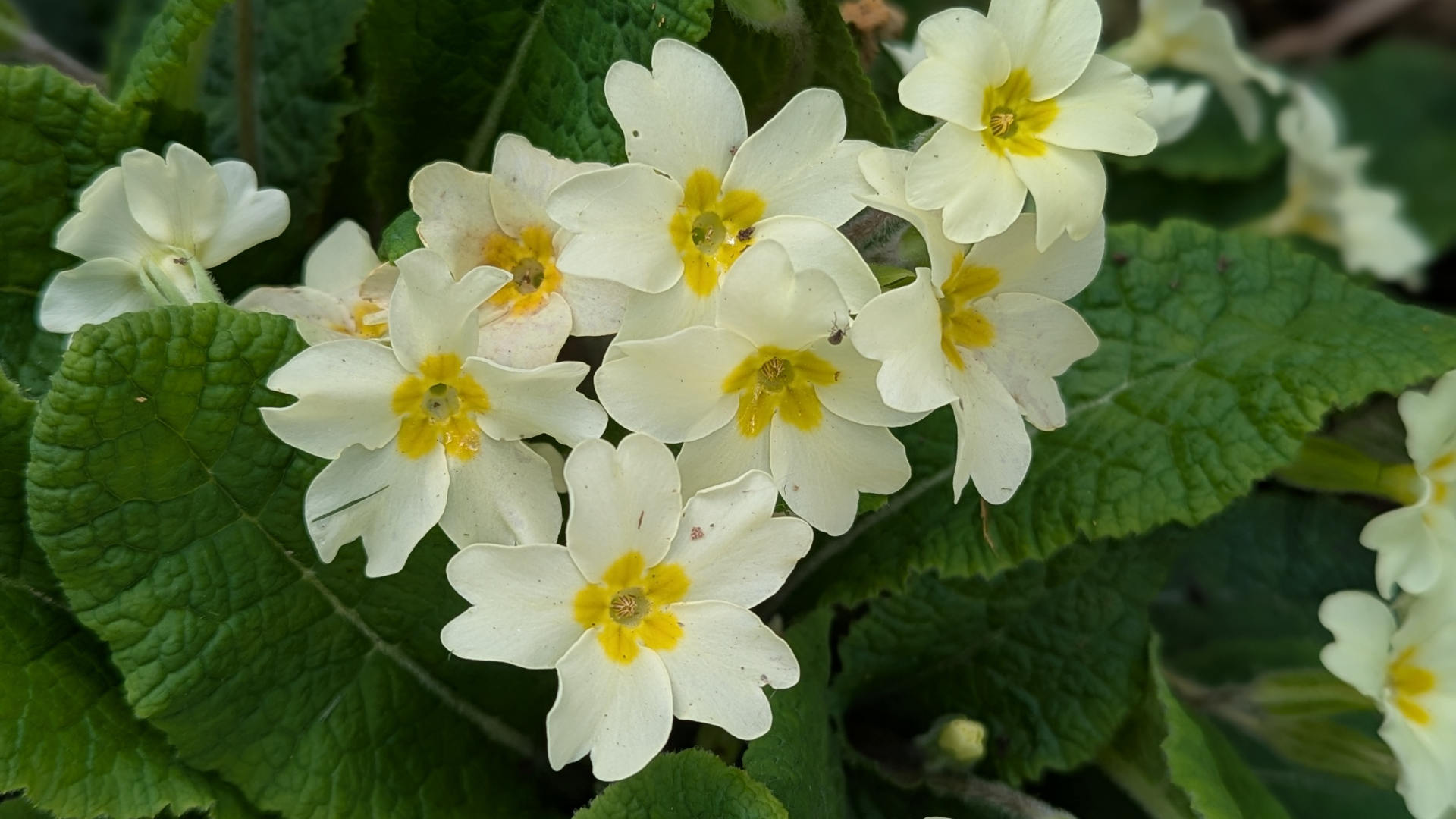
Leaving evergreen, low growing living plants in the ground, things like Dog’s Violet, Primrose and Creeping Jenny, means that the plants themselves are providing the blanket that your soil needs over winter. If you don’t have these plants or similar, consider putting them in alongside your showier herbaceous plants.
Reviewing your borders
If you were doing the right thing over the summer, and watering your garden sparingly, there’s a chance that some things may not have made it through the hottest months. This could happen in any given year of course; we all make planting mistakes, but while our climate is so chaotic, flying from one extreme to another, it definitely means plant death is more likely.
Firstly, don’t despair at your garden. We’re all in this unfolding climate crisis together, and by choosing to garden gently, for wildlife, you’re already helping.
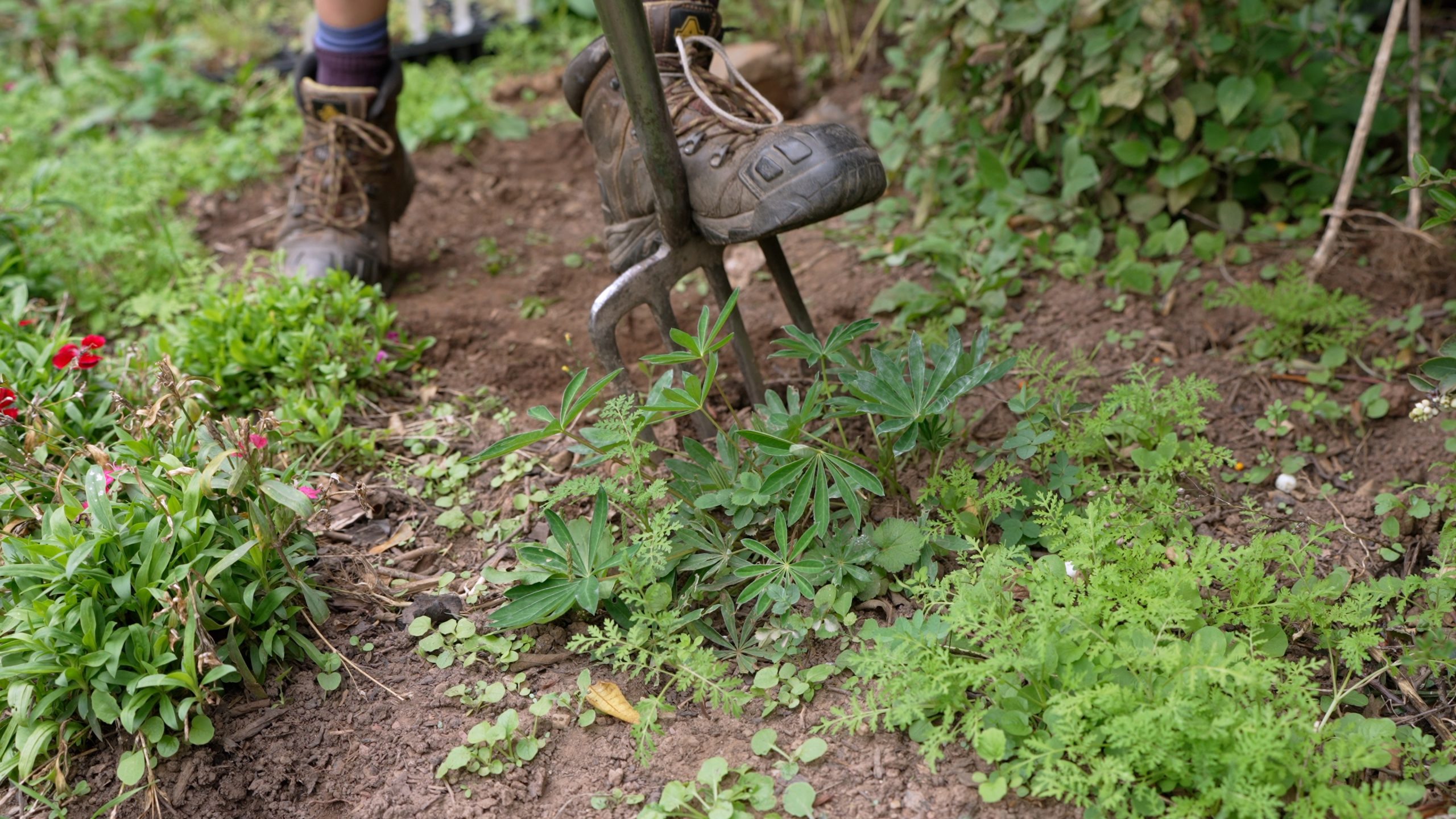
Secondly, gardening is always a process. Review your borders; think back to what did well with minimal attention, and look at photos if you need a reminder. Use this observation to know what to keep and what to take out. Check what seedlings you have before you weed them all, some could be beautiful plants.
Understanding your conditions
When you know what gaps you want to fill, it’s time to really look at the conditions of your garden, to help you choose plants that will thrive. Here’s what to look for:
Know your soil!
The basics are enough to choose plants more wisely:
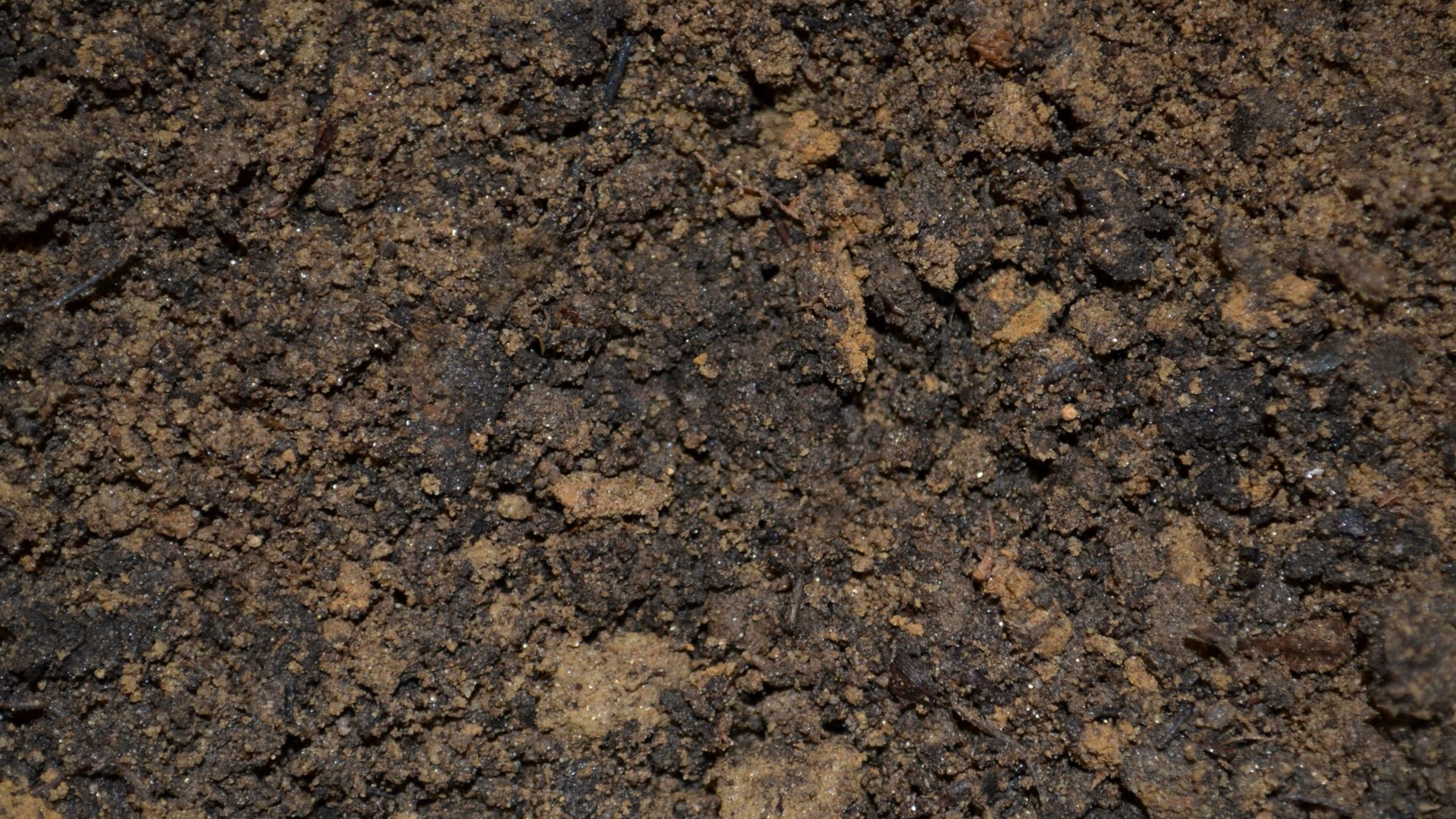
- Clay: sticky when wet, you can mould it in your hands, cracks appear when it dries
- Sandy: water drains freely and you can feel the gritty texture
- Silty: A soapy, slippery texture when you rub it with water in your hands
- Chalky soil: you can often see chalky stones
- Loam: the holy grail of soil, a good balance of clay, silt and sand; if you don’t notice any one of the above, you’re may be lucky enough to have this!
Finally, use a simple soil pH test to know whether you have particularly acid or alkaline soil, or something in the middle.
Moisture
This is affected by your soil type, but you could also have local variations of dry and wet, due to where your garden is located. The best identifier is simply observation! Does water pool in some areas during rain? Are some areas in need of more irrigation in the summer? Plants next to buildings often get less water due to the sheltering effect of that building.
Sun coverage
Plants that need ‘full sun’ need 6 hours or more of sunshine over the day in summer. Lower than this and you need plants that can tolerate part sun and shade. There could also be patches of your garden that are in full shade. Look out for these areas, again particularly next to buildings.
Choosing wildlife-friendly plants
When you know these three main things, you can start to choose plants that are more likely to survive your conditions. As well as that, in a wildlife garden we’re also looking for:
- A large proportion of native plants – these are more likely to support a larger number of invertebrates who rely on their leaves, stems and roots for their larval stages.
- A range of flower shapes, to allow different pollinators to access pollen and nectar. Daisy type flowers, open bowl shaped flowers, tubular flowers and flat topped umbellifers.
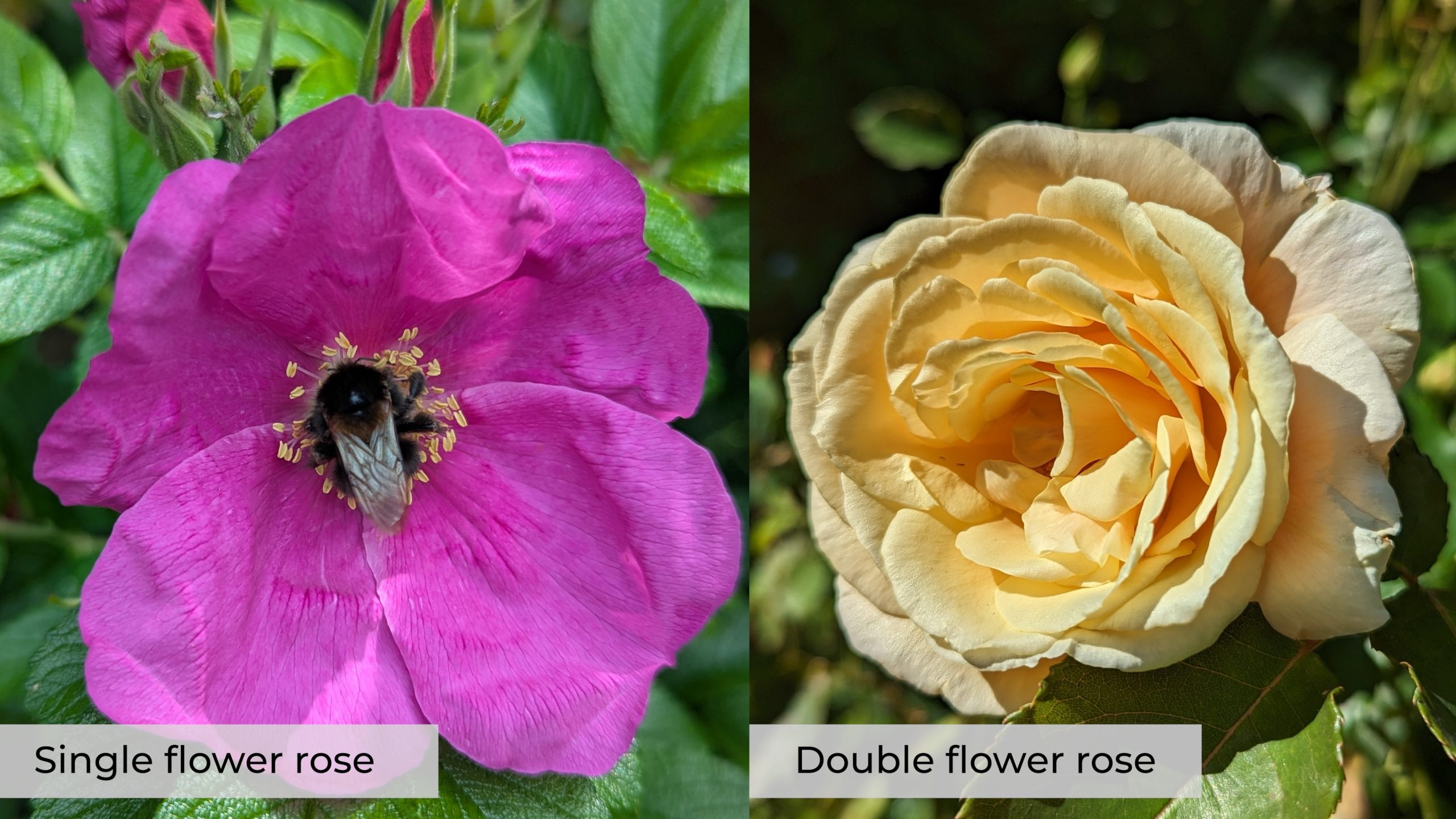
- Avoid double flowers! This is where plant breeders have bred the flower to have more petals at the expense of the pollen and nectar producing parts of the flower; it’s essentially a picture of a meal for a passing pollinator, with no sustenance for them.
- Something in bloom for as much of the year as you can.
- Abundance! If you have a gap, we say pop a plant in it!
- Try to buy peat free plants. Peat bogs are vital carbon stores and are home to a lot of specialist plants and animals, so we need to stop using it in horticulture.
- Try to buy organic plants – sometimes the plants we buy are treated with a cocktail of pesticides that can actually harm the wildlife you’re trying to attract.
By doing these last things, you’re also reducing the potential negative impact of your gardening.
Planting potted plants 101
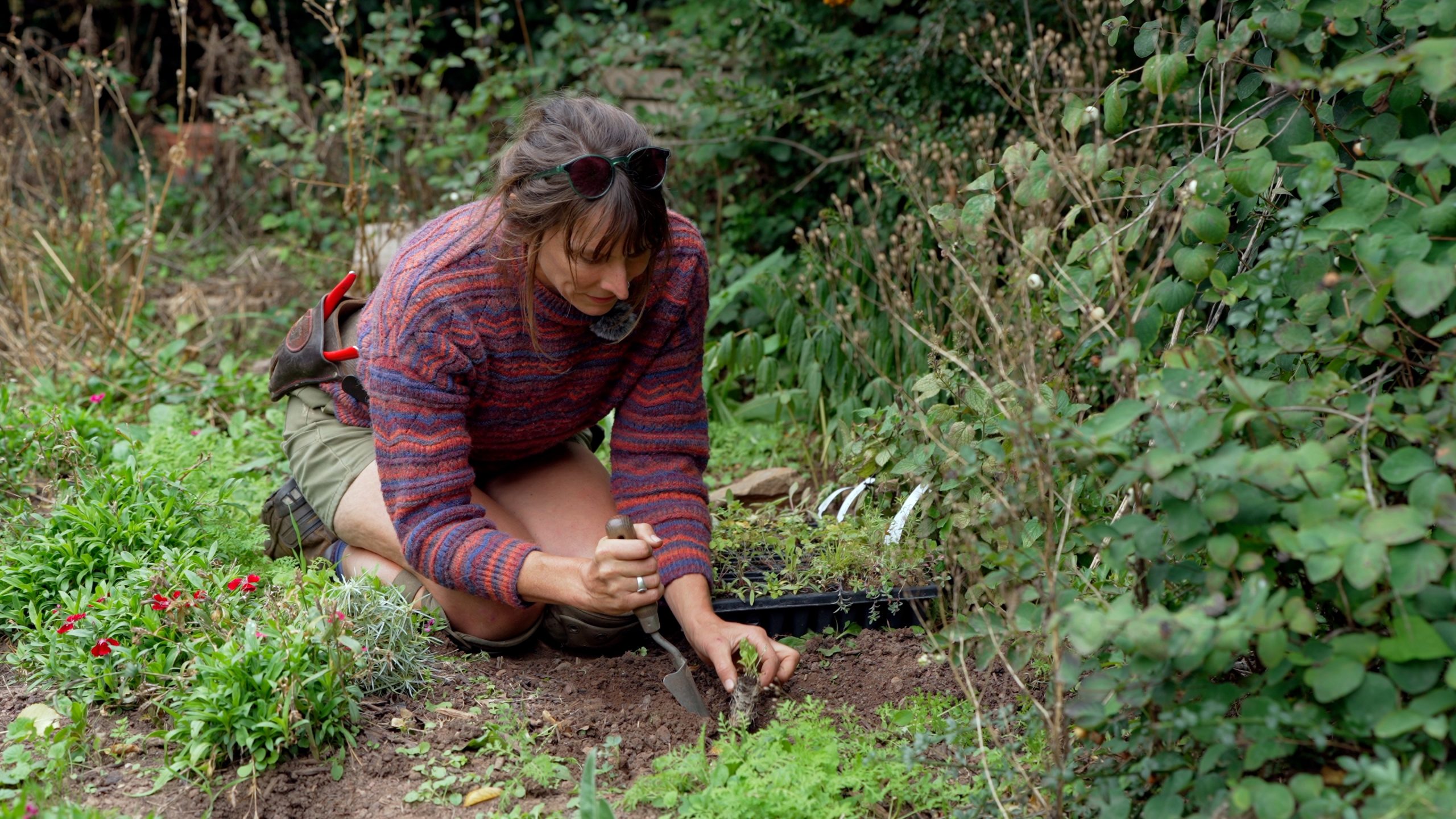
The ideal size for fast impact is a 1litre potted plant. However, plants cost money, and smaller plants are a lot cheaper. Be aware that they take a little more care and attention so that they’re not lost in a border, but generally speaking, if it’s happy, it could really establish surprisingly fast.
Check the eventual height and width of the plant, and that it fits the gap you’re putting it into. Allow space for that plant to grow.
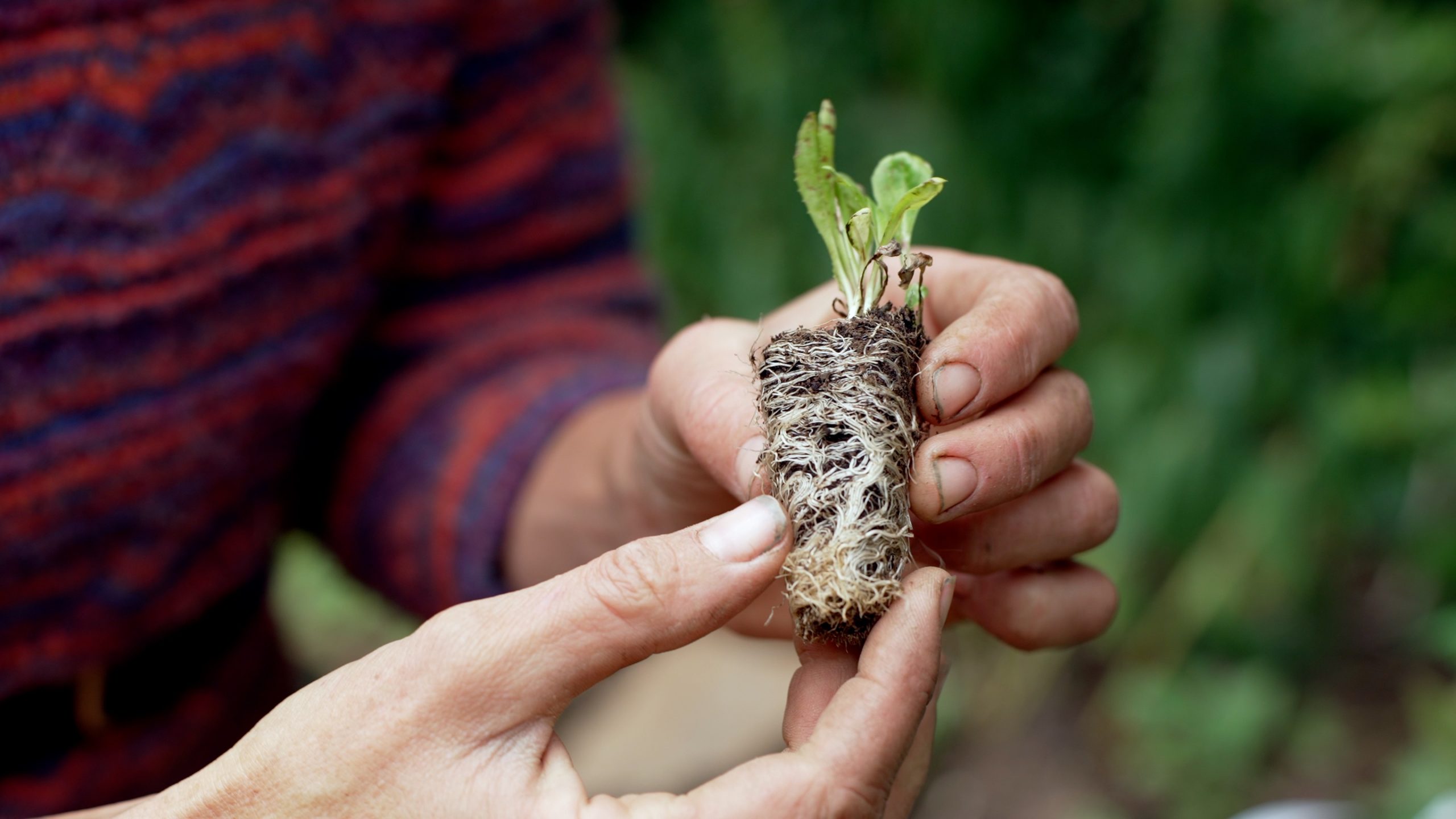
When you plant any potted plant, gently tease some of the roots out. This is particularly important for woody plants, which can girdle themselves when the roots keep growing in a circle as encouraged through their pot. If you can, do check the roots before buying a plant, and avoid buying plants where the roots have filled the pot and you can’t see soil or compost. This is where the plant is known as being ‘pot bound’.
Really water your plants in, this ensures good soil contact between roots and soil.
Planting spring bulbs
Spring bulbs are some of our earliest flowering plants, and who doesn’t get excited at the emergence of the first Crocus or Daffodil after a cold winter.
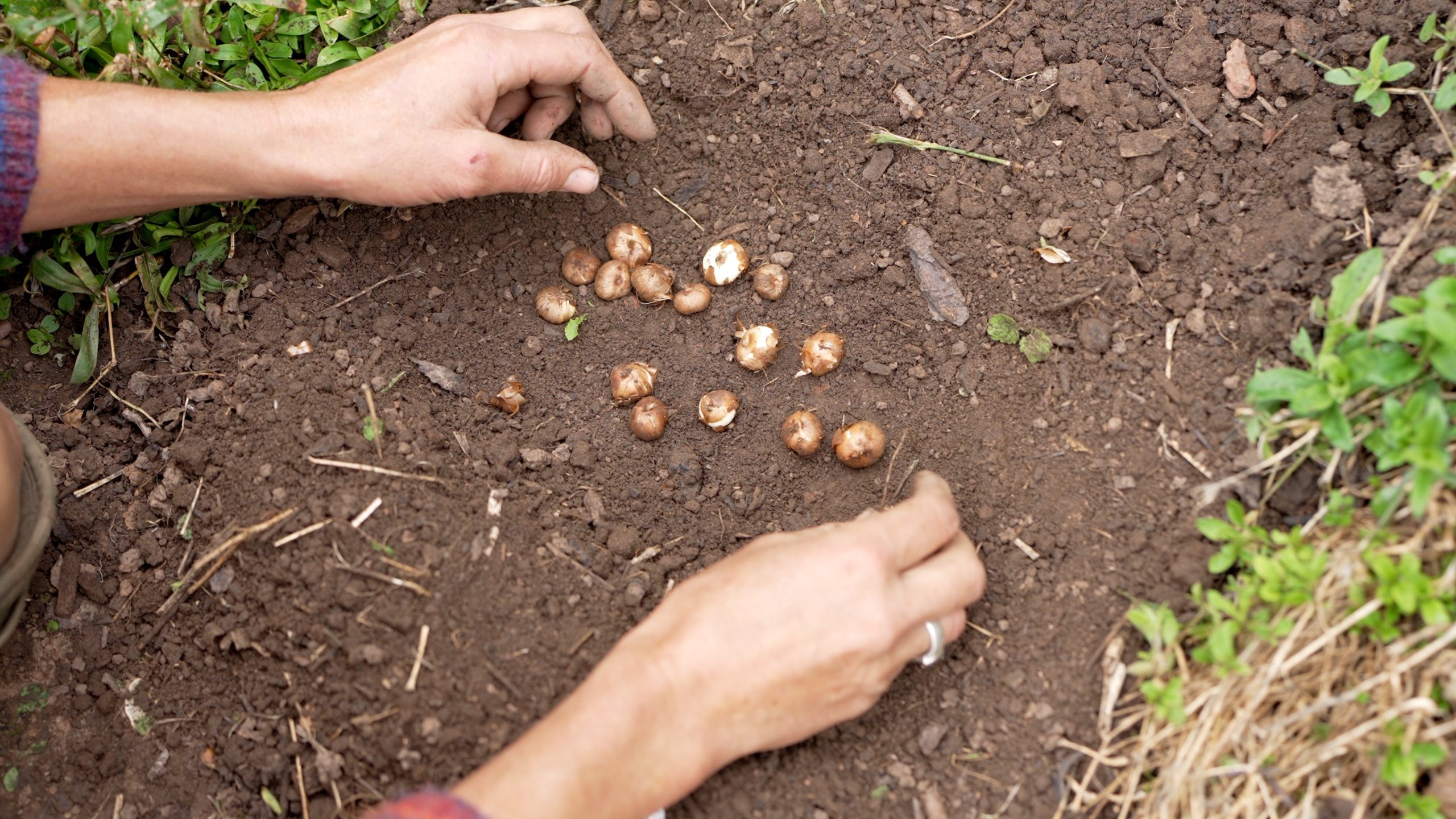
Plant most of your spring flowering bulbs in Sept-Oct, but leave Tulip planting until November. A rule of thumb for planting is to plant the bulb in the soil at a depth that is about double the bulb length, but do read instructions from the supplier as some like to be deeper.
Our favourites are bulbs that emerge early, to feed emerging bumblebee queens, like Crocus and Snowdrops. Following that are the Daffodils, Grape Hyacinth and species Tulips. Highly bred classic Tulips are less good as they lack lots of pollen and nectar, and you often have to replant them year on year which is more wasteful, but good in a pot for a splash of late spring colour.
Other things to do in October
Providing food for wildlife
Feed the birds
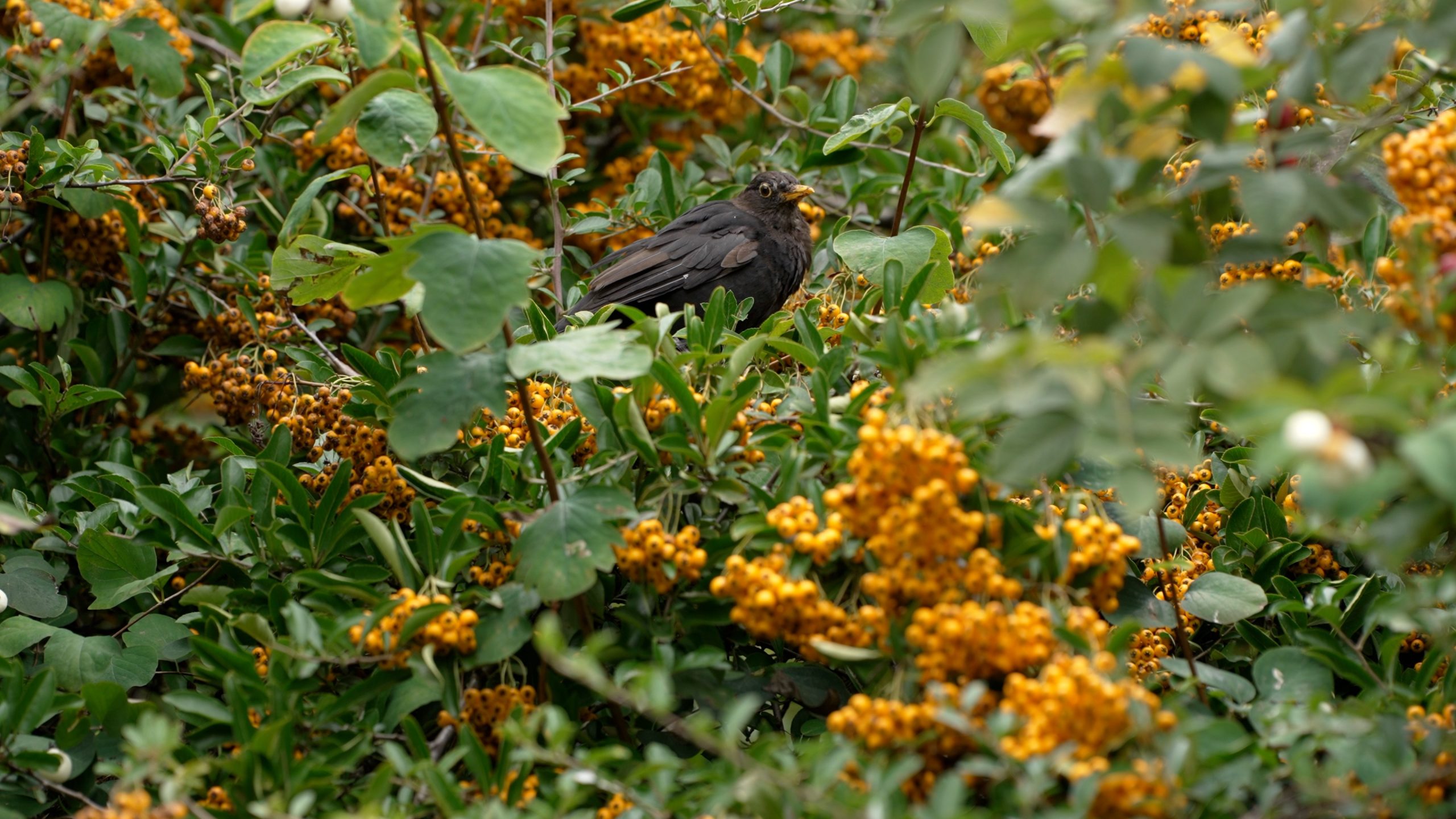
Our wildlife needs to fatten up in autumn, to help get through winter. Can you look around your garden to see what food it provides, particularly for birds? Can you think about planting something that would do this if your garden is lacking? Trees like Rowan or Hawthorn are excellent, and you never know what migratory bird you could attract.
Fallen fruit
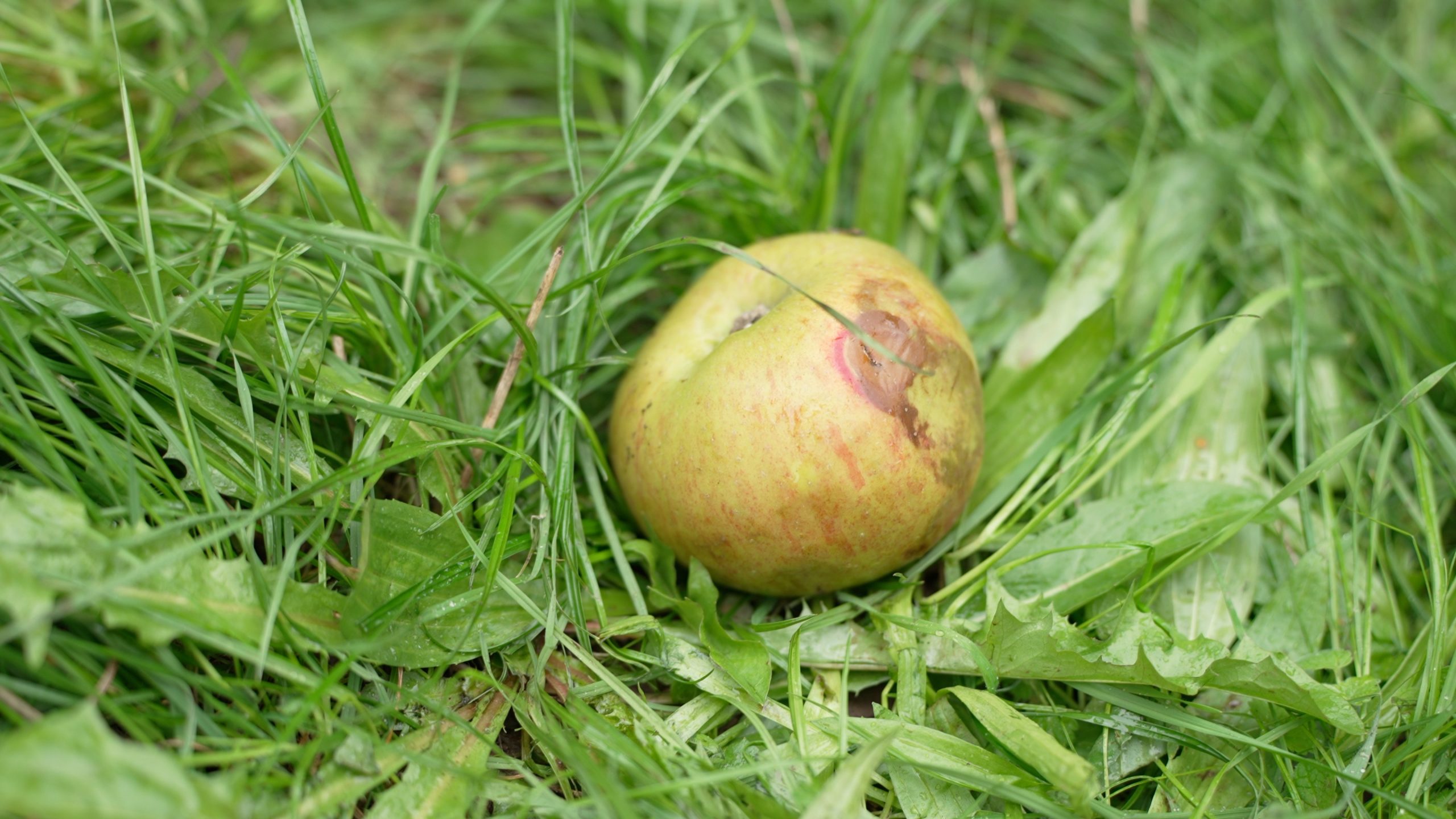
Fallen fruit like apples and pears are loved by Blackbirds in autumn; don’t clear windfalls away, leave some in open spaces so that feeding wildlife can check for predators.
Supplementary food
Now autumn has arrived, it’s safer to put out supplementary bird food in bird feeders that you clean at least once a week. Fat balls and seed can be a lifeline for garden birds, though be mindful that natural food via plants is always best. Bird tables are still discouraged because they can spread disease more readily and are harder to clean.

Helping hibernators
A helping hand for hedgehogs
It’s hibernation season for a lot of creatures now. Covering your soil with leaves will do wonders for the smaller creatures, but can you also add piles of leaves to the base of hedges for hedgehogs? They need multiple places to live out winter, and will move around when temperatures allow, to avoid the build up of pests in their nests.
Hibernating bumblebees
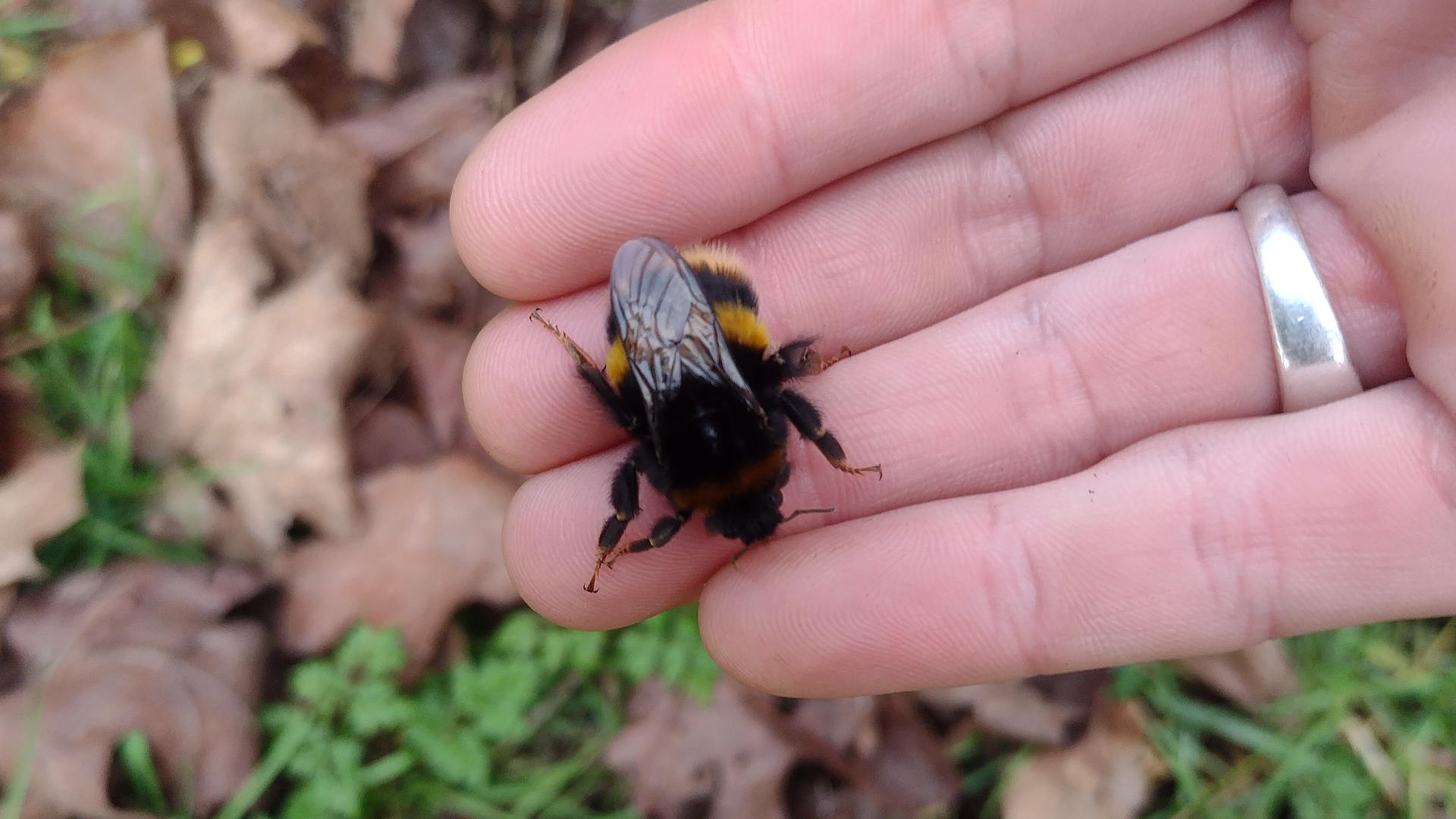
When you’re planting all of your fabulous new plants, listen out for the low buzz of queen bumblebees, that may have already found somewhere to burrow in your garden for the winter. If you do disturb one, place her somewhere nearby where you’re not going to be digging, and gently cover her with fallen leaves. If it’s a sunny day she may gather strength to fly somewhere new, but keeping her sheltered will give her options.
Things to think about
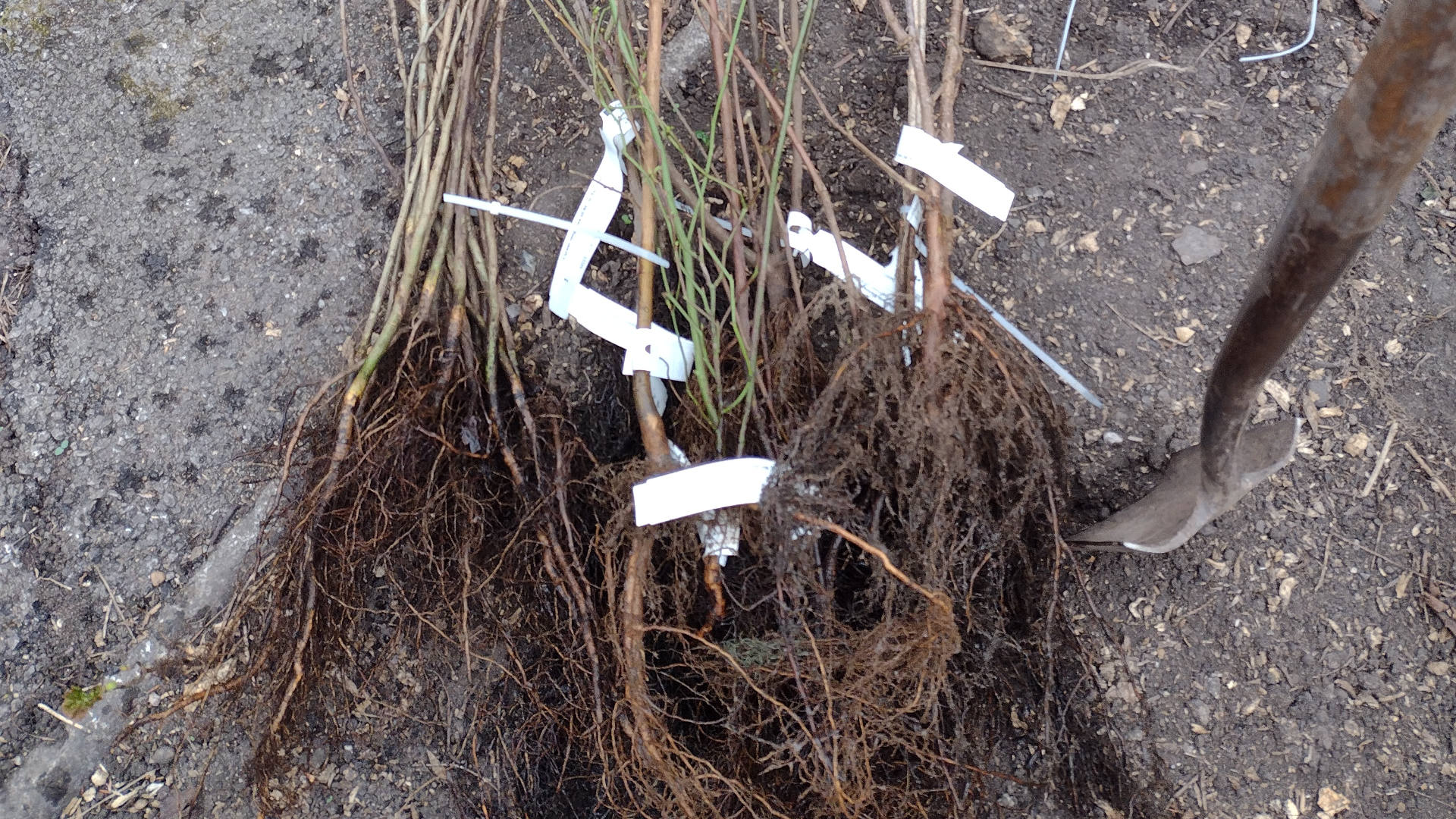
While you’re looking at plants you’d like in your garden, can you see whether they’re available to buy bare root rather than potted? A lot of trees and hedge plants are sold as bare root, are cheaper and use less energy to transport. Perennial plants also used to be widely sold as bare root before peat was used; if you can find a bare root nursery, then most definitely buy your plants from them. Bare root plants are traditionally lifted in the colder months from November, so now is the time to look and make your orders!
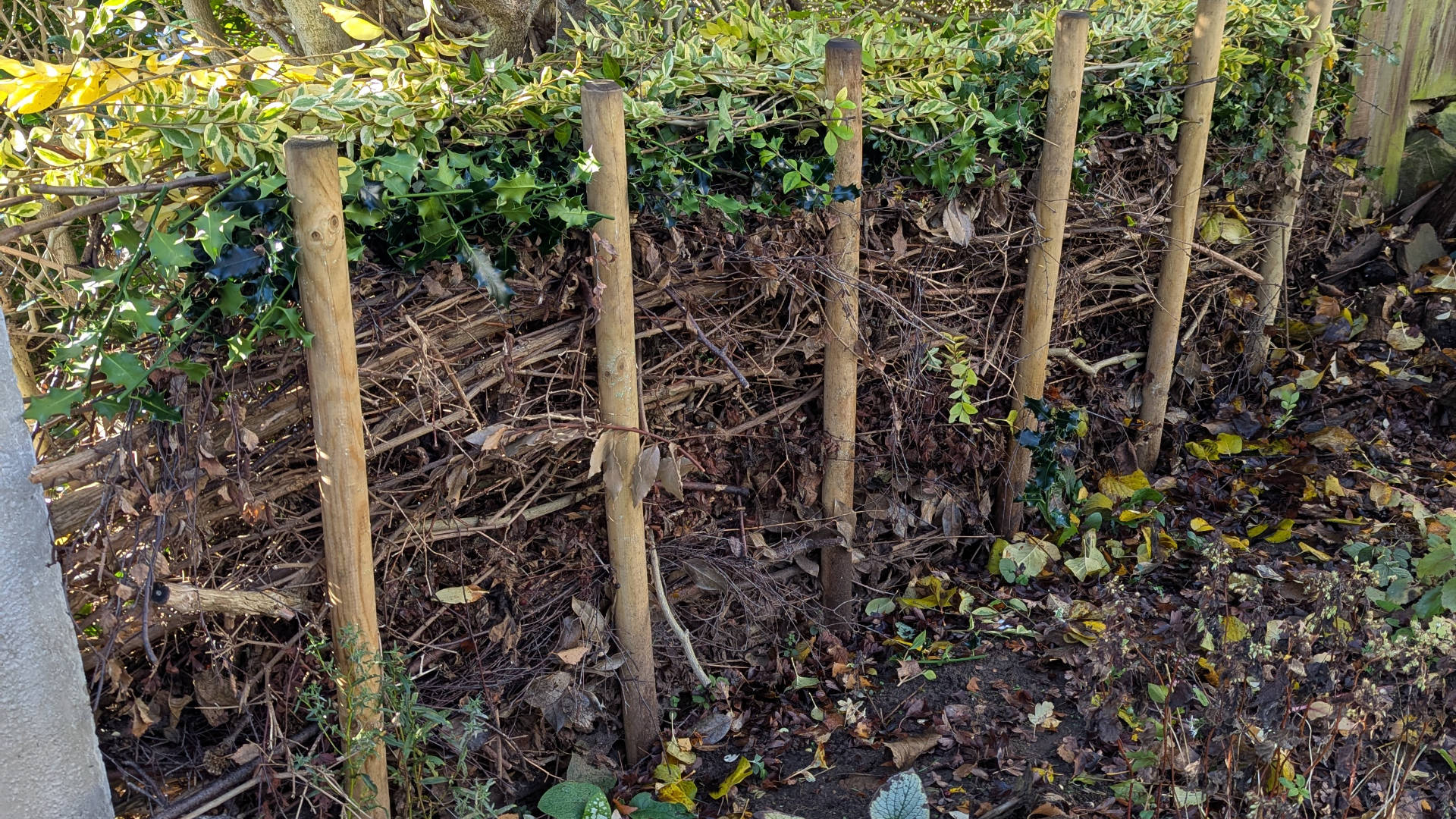
Identify where you could put a dead hedge or log wall in your garden. Many trees can be pruned in winter, so you may have a good starting point for material for your dead hedge. It will provide shelter and connectivity for creatures that need shade from the sun, and can be a beautiful addition to your unique garden.
Finally, keep enjoying your garden!
Written by Ellie Mitchell