Wildlife Gardening Monthly
Welcome to your free, monthly guide to helping wildlife in your garden.
Thanks to funding from The National Lottery Community Fund, we’ll be sharing a new guide every month for the next year, with simple, seasonal advice to help you feel confident taking action for wildlife wherever you live. Check out the video below, read the post or download the PDF to read later and keep forever.
Want each new guide sent straight to your inbox? Sign up to our newsletter and follow along with us throughout the year.
Where August saw us relaxing in the summer doldrums, September’s cooler nights and shorter days mark the turning of the seasons, which means that it’s time to crack on with a fair few exciting wildlife gardening tasks.
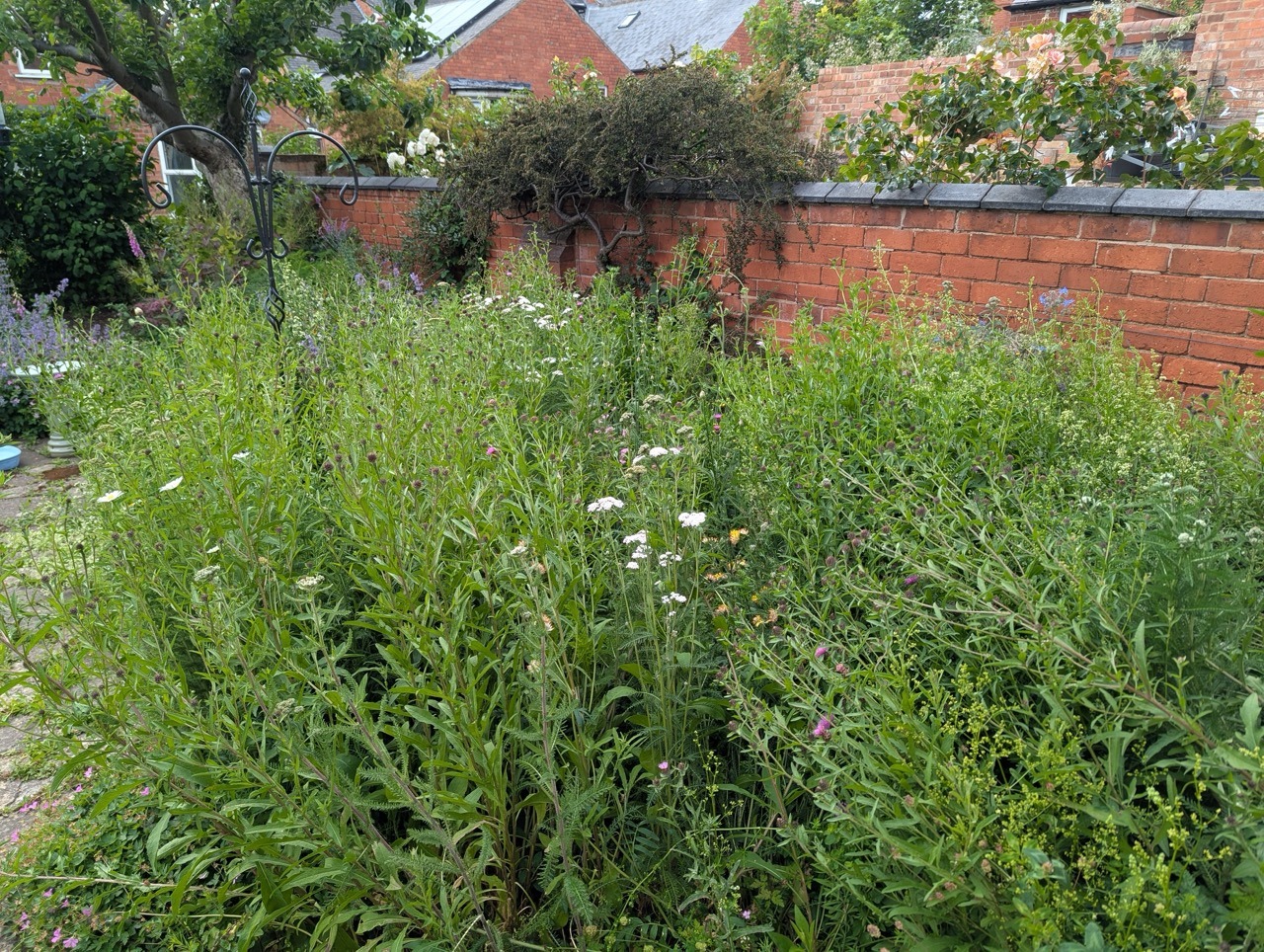
Now is a good time to make hay and manage or create a meadow in your garden. There’s a lot to say about meadows; they are little engines of biodiversity, no matter their size. You could grow meadow plants in a pot on a windowsill, over a small patch of sunny lawn or of course over rolling acres. They’re all important, so this is relevant for everyone.
Autumn is also where you can make a lot of great changes to your garden. If rains have rewetted the summer soil, you can take advantage of the residual warmth and get planting more plants. Where you are in the country will dictate exactly when you should do this; the further north you are, the earlier temperatures will drop off, so ideally the sooner you should start.
As well as ensuring you provide for our garden wildlife with plants, there are also plenty of other maintenance jobs this month that will ensure your garden is a tip top service station for all creatures great and small.
Wildflower meadows
A meadow is a fantastic way to provide food and shelter for a whole host of animals. If you already have one, fantastic! This guide will help you to keep it increasing in plant (and therefore animal) diversity. If you don’t then let us convince you to read on to see how to achieve one. The butterflies it’ll help grow will love you for it!
A meadow is actually a managed grassland, and not an entirely ‘natural’ habitat. Traditional agriculture encouraged the formation of hay meadows by annual mowing, to create a bank of dried food for livestock over winter. The fact that this annual mowing sustained a highly biodiverse patch of land, packed with pollen and nectar was a happy accident of sorts. Occasionally, human activity has a positive effect! We are part of nature, after all.
Meadow types
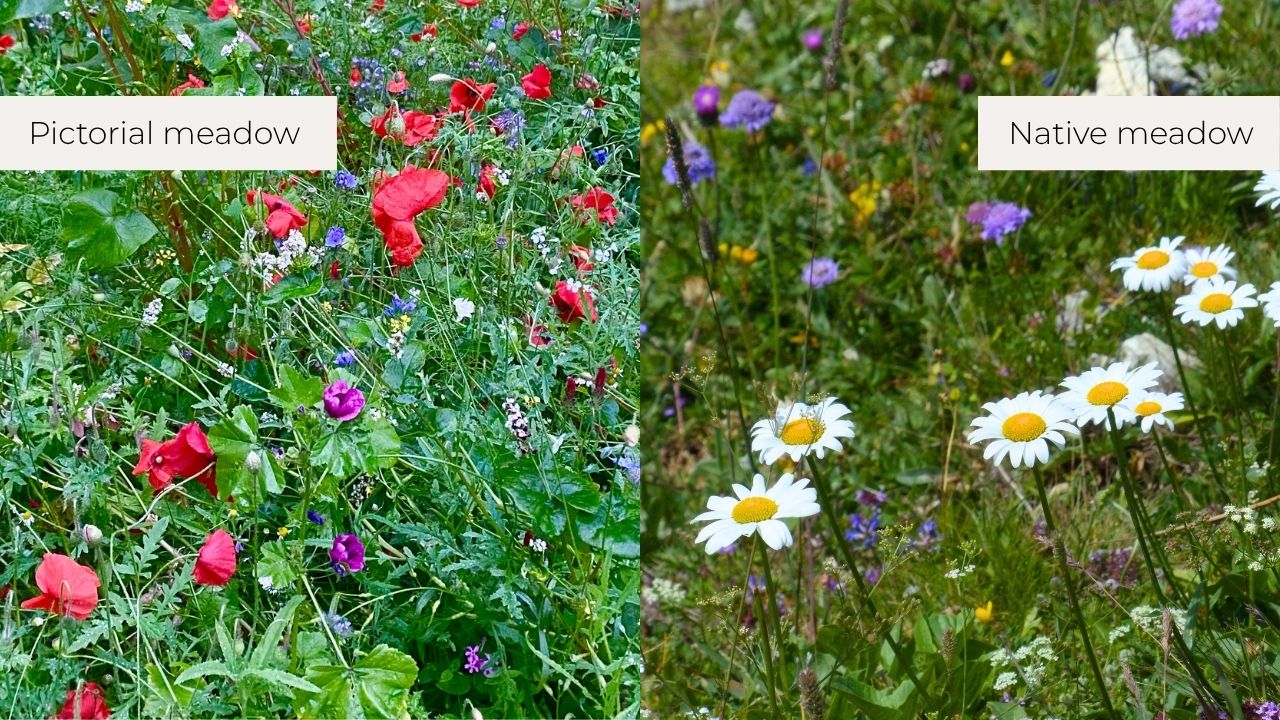
What we’re talking about is a meadow of native grasses and wildflowers that come back year on year, and not the brightly coloured annual ‘pictorial’ meadows you often see in parks and that need resowing every spring. Our native meadows provide food via every part; that’s the leaves, roots and stems as well as the flowers, so they are far more valuable to our wildlife than flowers alone.
Cutting your meadow
Cutting your meadow at the end of summer prevents fertility from increasing, which ensures that a wider range of beautiful plants can grow. Without it, plant succession would happen and the area would slowly turn into woodland (over a very long time!).
Tools
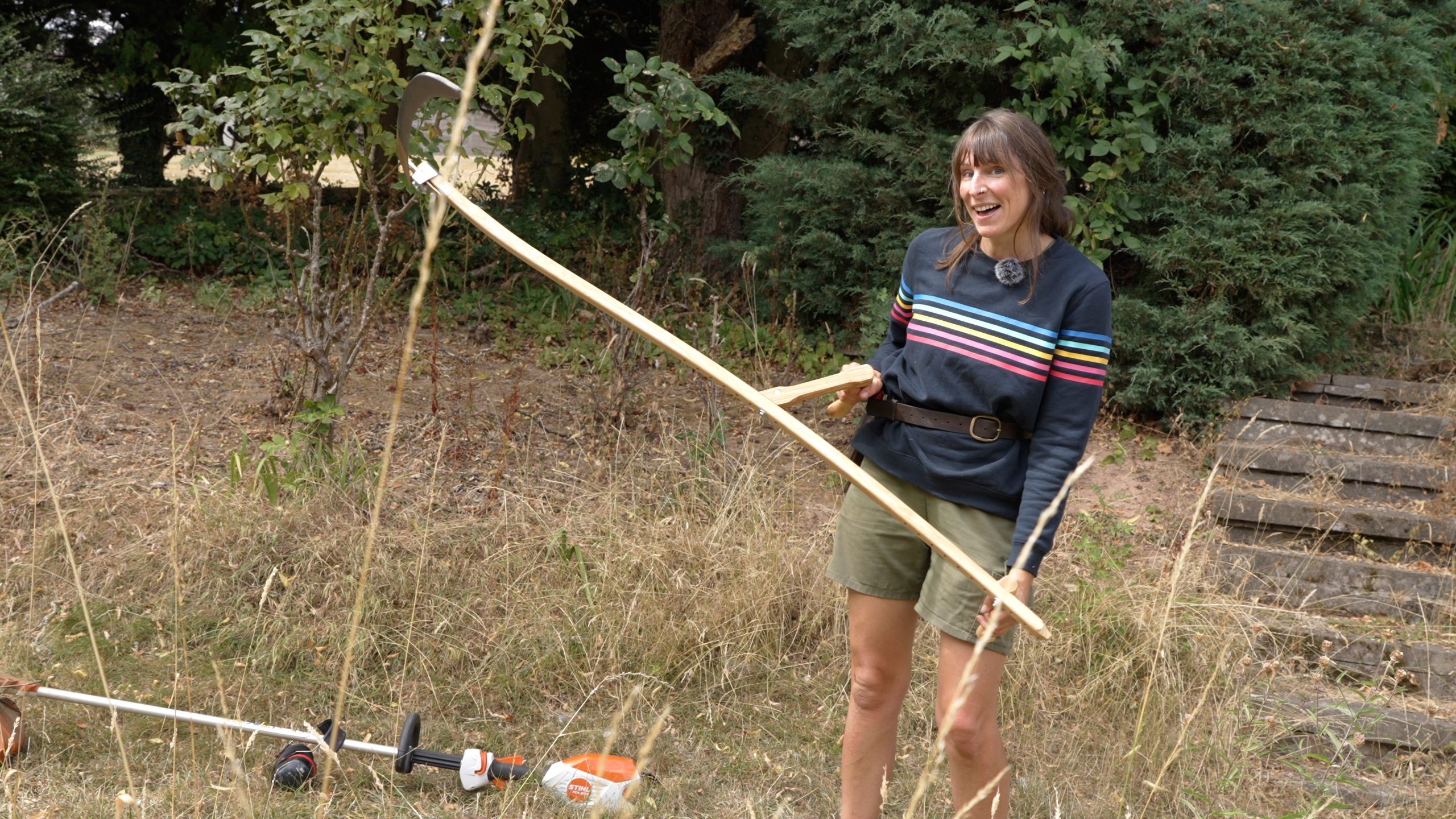
Aim to cut in the least intrusive way. Small meadow areas can be cut by hand with shears. For larger areas, try using a scythe, it’s quiet, uses no fuel and will disturb the least wildlife. A strimmer also works of course, but be extra careful to avoid wildlife lurking in the undergrowth. Work across the meadow slowly, giving time for things to escape.
Habitat for invertebrates
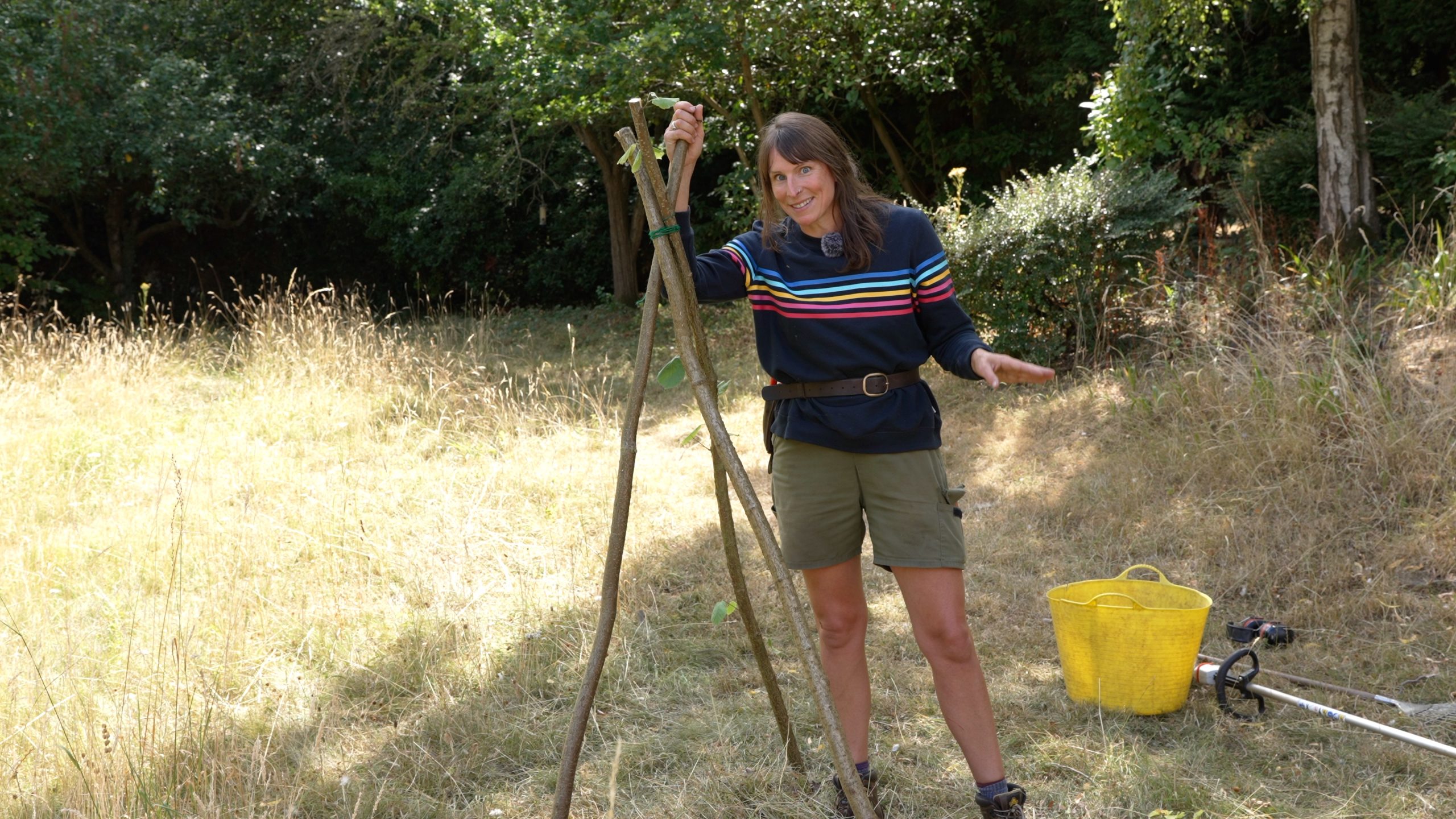
If you can, leave a small patch of meadow long over winter as a wildlife refuge. If it’s not practical to do this, then make a twigwam and fill it with the clippings and other winter prunings. Also remember to keep some grass dry over winter in a shed, ready to put out for nesting birds in spring.
Preparing the ground
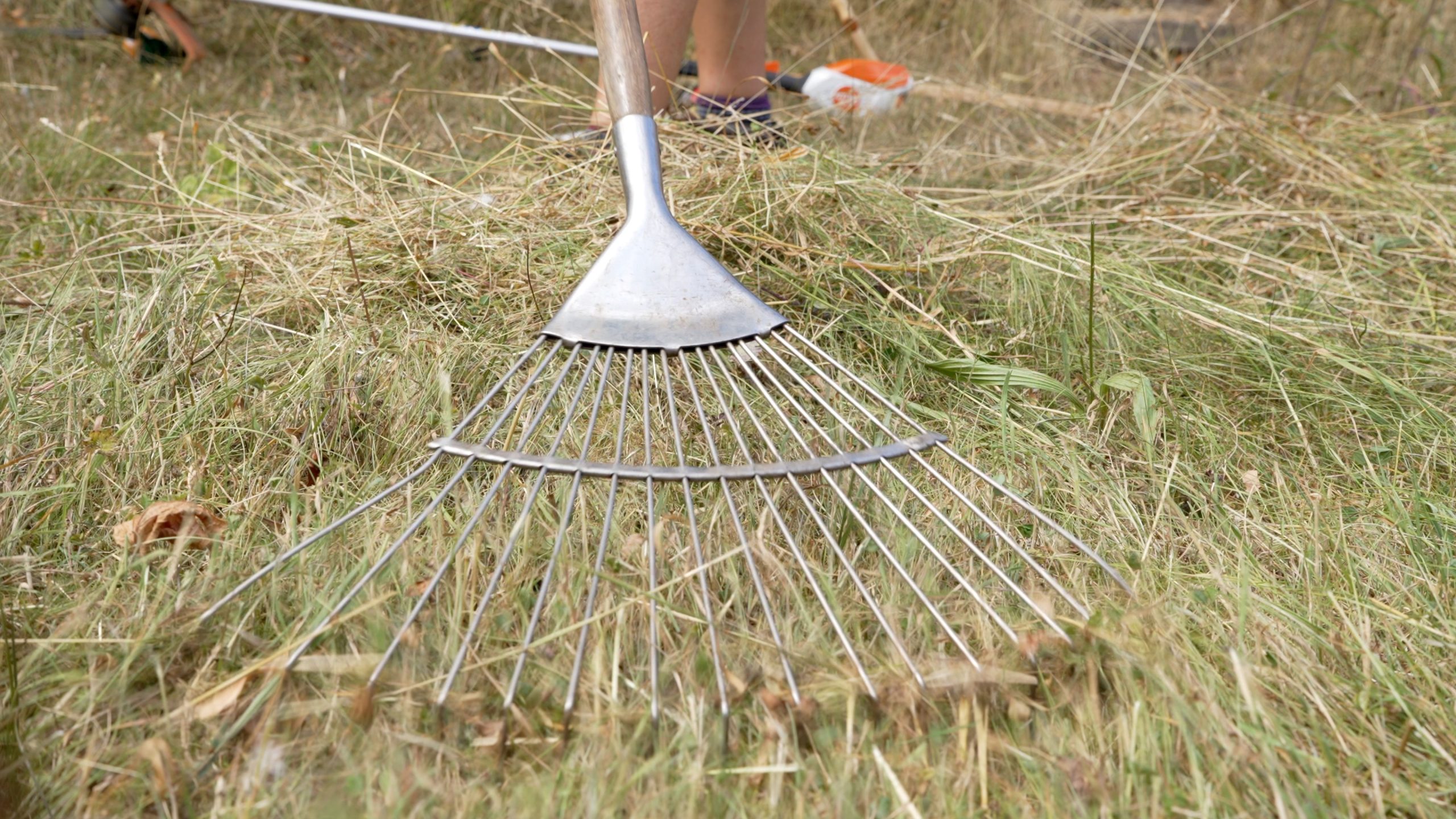
Whether you’re increasing the plant diversity of your existing meadow or starting one in a lawn, you’ll need to prepare the ground for adding seed and/or wildflower plugs. Mow on the lowest setting and scarify (literally scrape) the ground with a rake. Do this multiple times until you can see a good portion of bare earth. This weakens potentially vigorous grasses and gives other plants a chance.
Sowing seeds
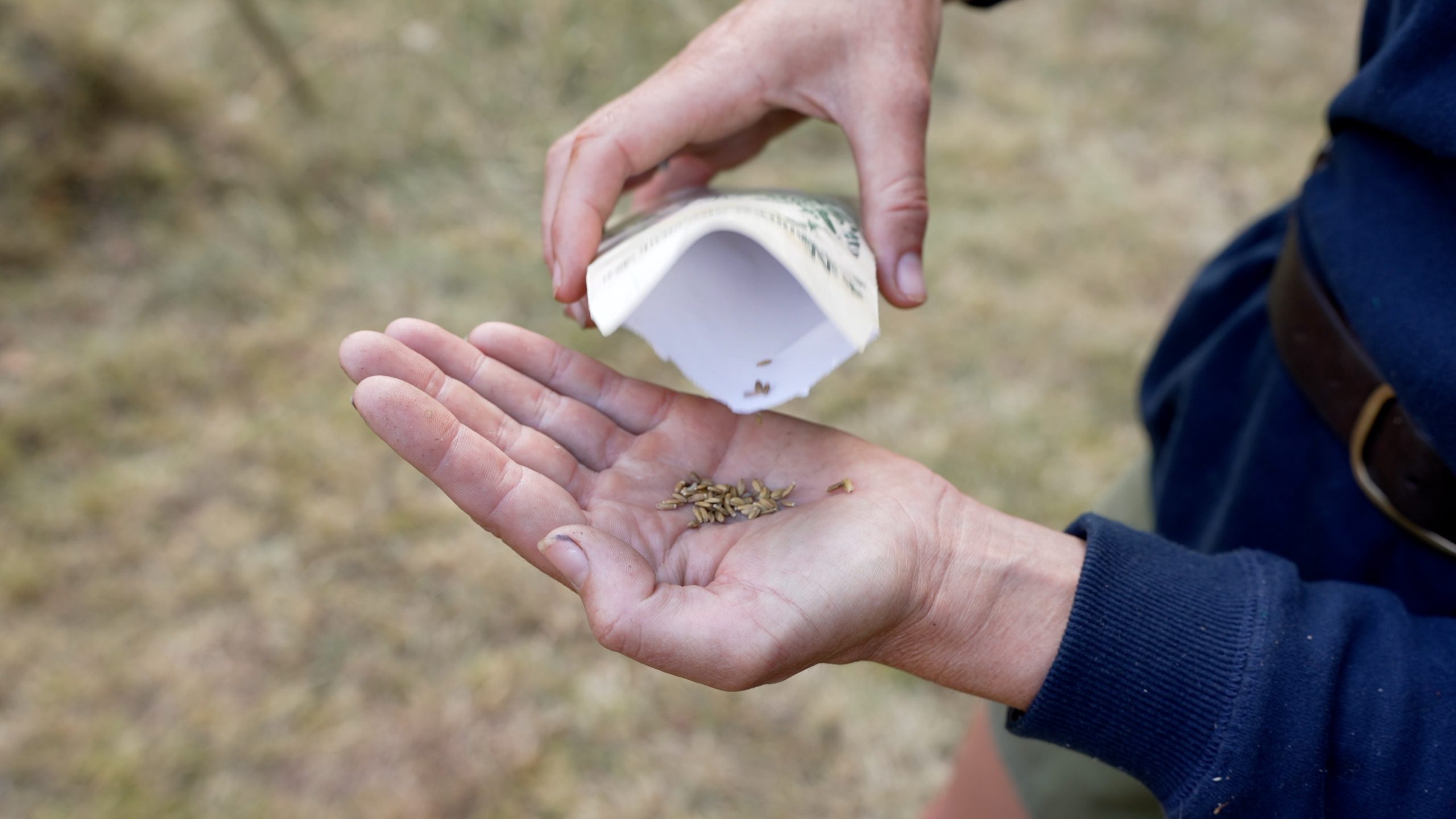
Seed is the cheapest way to establish a meadow, but will take time, so be patient! We recommend getting seed online from a wildflower nursery, where you can choose seed of plants that are appropriate for your soil. Scatter seed sparsely; you only need 3g of wildflower seed per square metre, then lightly tread the seed in and give it a light water if it’s dry.
Sowing into pots
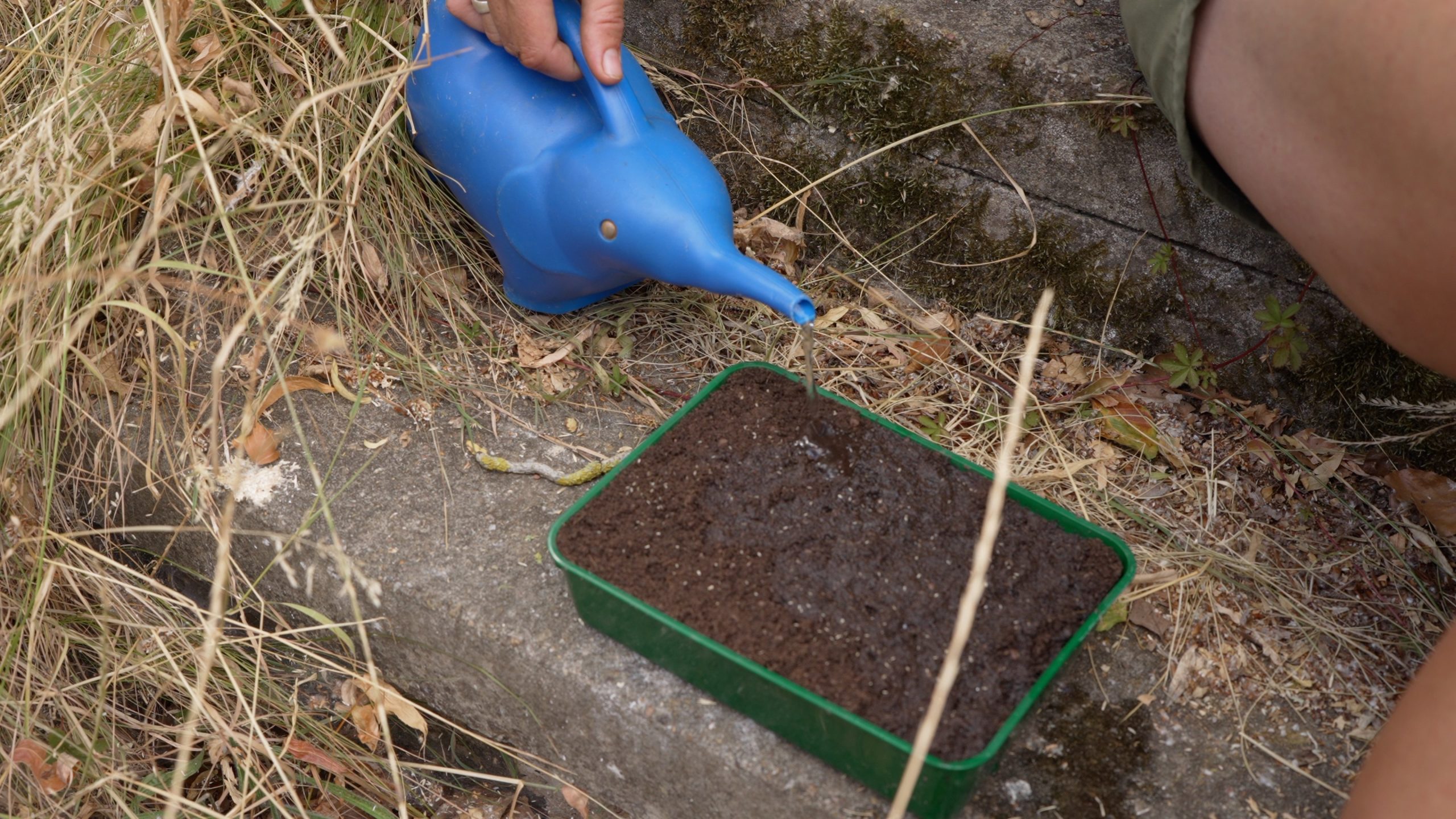
If you don’t have a lawn, you can still grow meadow plants in pots. Sow seed into trays to prick out and plant on, or skip that step and buy larger plug or 9cm potted plants to plant direct into your pots. You can make a wonderful wildflower display that feeds pollinators and leaf munching insects!
Planting potted plants
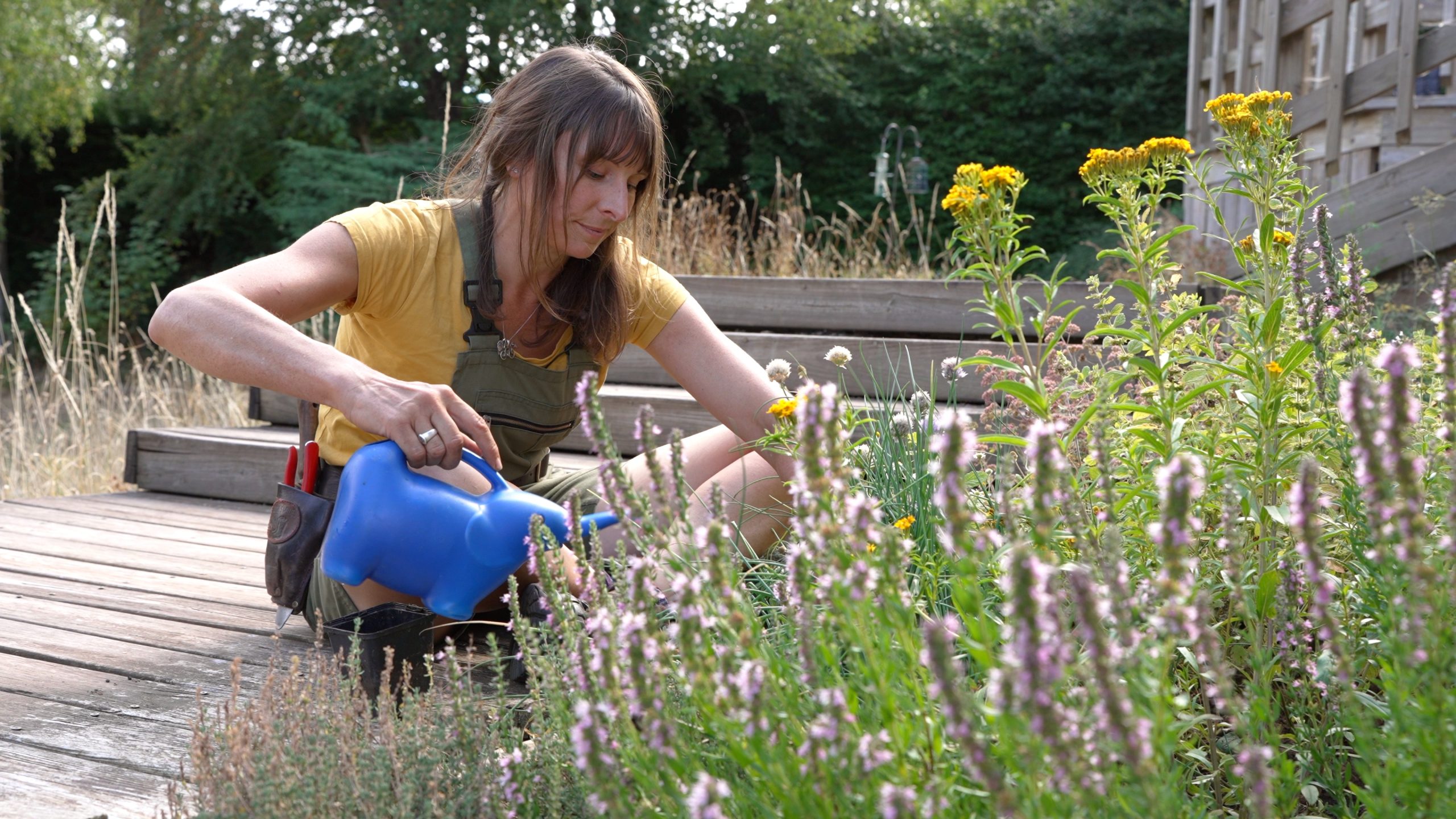
After a summer of identifying plants that you’d like, and what has done well in your local area, you can now get creative and fill gaps with flowers galore.
Planting tips
- Aim for a range of flower types in your garden; from daisy shapes, to longer tubular flowers like Honeysuckle. Have a mix of native and non native plants, and try to have something in flower over as much of the year as possible
- Try to source peat free, organic plants
- Make sure you know the eventual size of the plant (height and width) and that the space is big enough for it
- Gently tease out roots before planting to encourage them to grow out into the soil
- Water plants in really thoroughly after planting
- Mulch the soil surface around the plant with peat free compost or woodchip, after planting
Compost turning
Having a compost heap is another simple way to minimise the environmental impact of your garden, while providing a fabulous habitat for summer nesting and winter hibernating for a wide range of creatures.
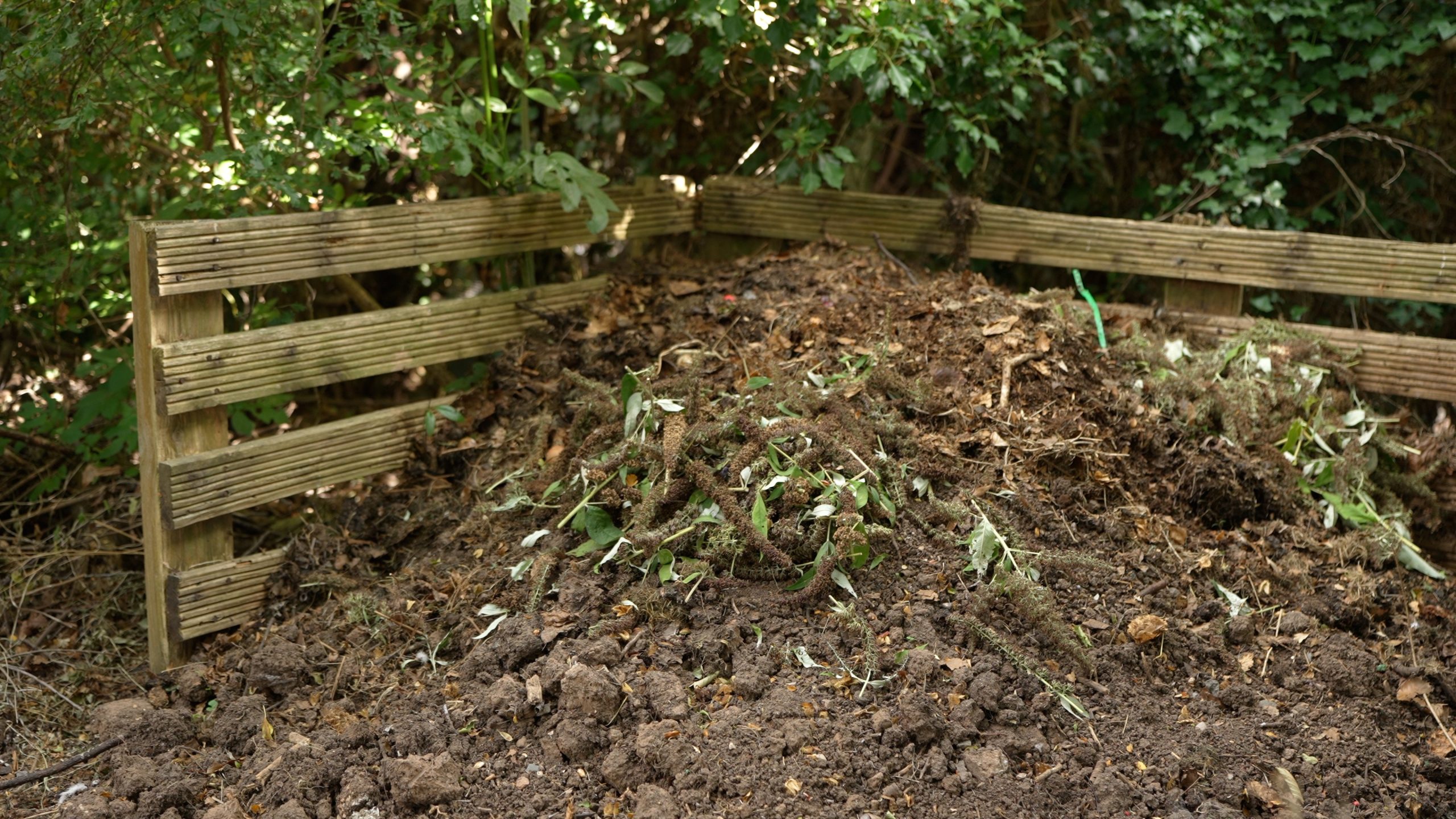
- Turning your heap means that you can see what it needs. Water it if it’s dry and maybe add more nitrogen rich greens (veg peelings and grass clippings). If it’s a little on the smelly and wet side, then add more carbon rich browns (cardboard, woody prunings, autumn leaves)
- Turning also turbo charges microbial breakdown of plant material, by physically mixing it all together and allowing more oxygen in
- By turning at the end of summer, you avoid disturbing nesting bumblebees, but always look and listen out for any late nesters in our changing climate
- Turning before autumn is in full swing also reduces the risk of disturbing hibernating hedgehogs, and overwintering amphibians and reptiles. Go slowly as you turn and take care when using spades and forks!
Pond maintenance
If you need to thin this year’s pond plant growth or de-silt your pond, now’s the time to do it. Temperatures are falling so plants are starting to die back, and removing this dying vegetation will help prevent excessive nutrient build up. This should slow any algal blooms in the future.
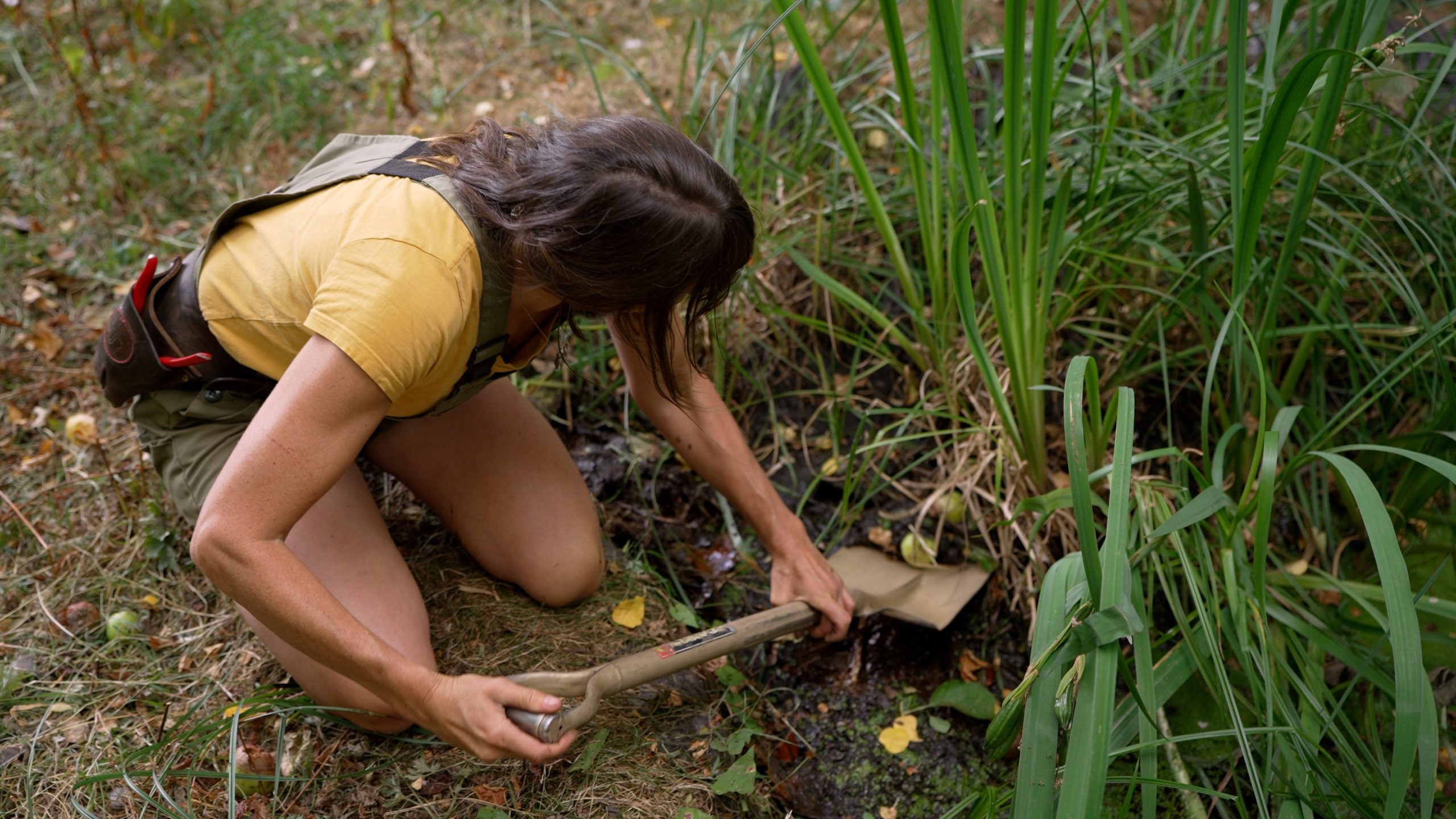
Most pond plants divide pretty easily, and you could just pull excess vegetation from the water. Any plants you pull out of your pond should be left at the water’s edge for a few days to allow creatures to escape back to the water. You can then compost them.
Silt is a vital part of the pond ecosystem, but over time it can build up. Every few years, it’s good to take some of it out to prevent the pond from turning into a bog! Again, leave on the side of the pond for a few days and then compost. As autumn leaves fall, remove from the pond surface with a net every few days.
Habitat for hedgehogs
In September we are starting to make a lot of garden waste with all the meadow management we’ve been doing. But one man’s rubbish might be another creature’s lifeline (or so the saying should go). In short, in wildlife gardening our garden waste is often a vital resource for wildlife.
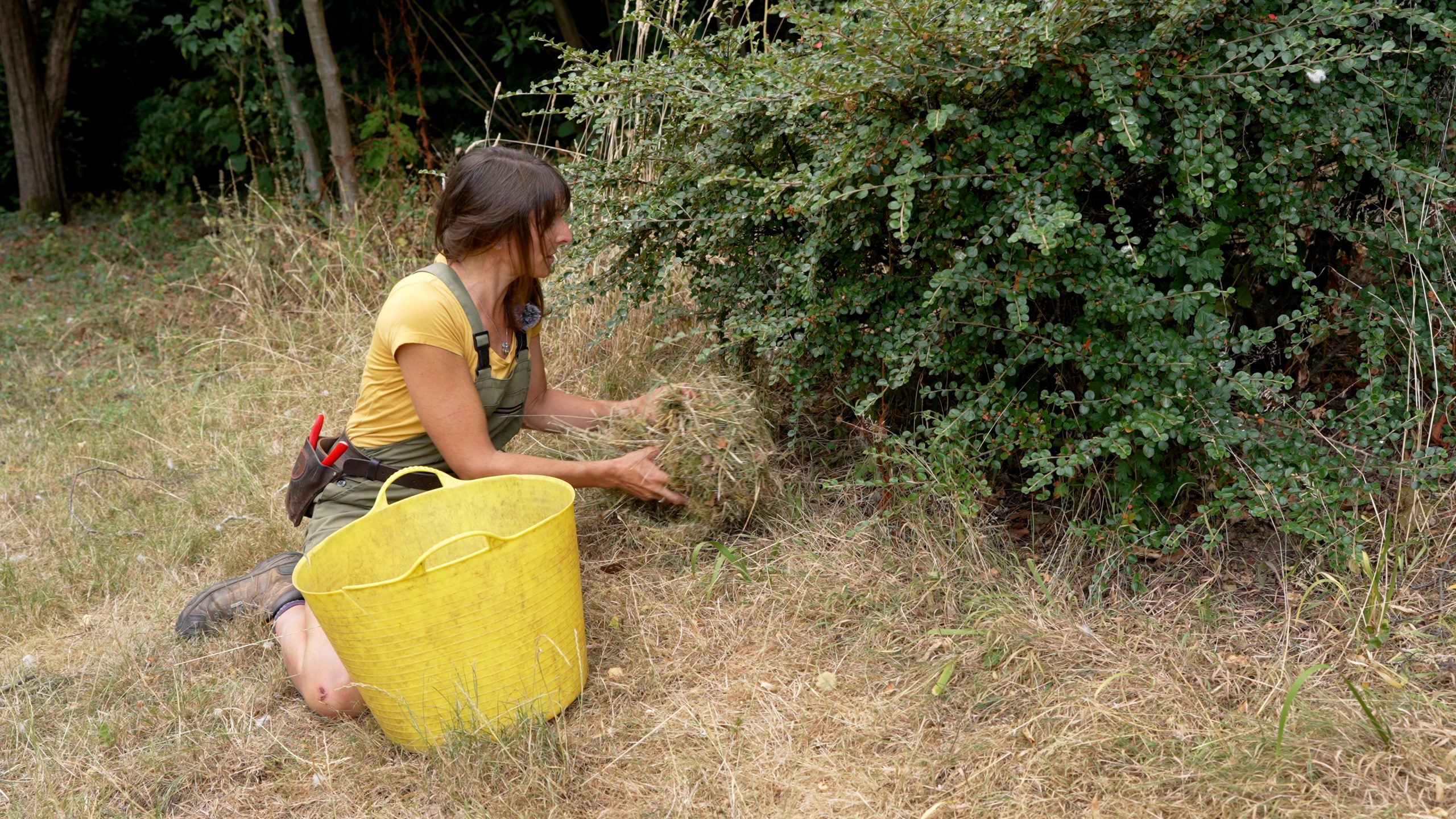
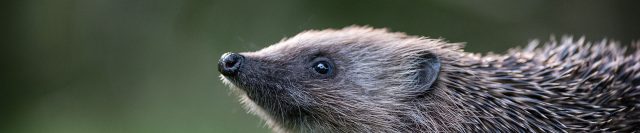
Take clumps of meadow clippings and place them in dry spots under hedges and under log piles. Perhaps you also have an artificial hedgehog home if you lack these spaces in your garden.
Over the coming months this could be exactly what a hedgehog is looking for to make its hibernation as cosy as possible.
Thinking ahead
In this part of the guide we gently signpost you to think about what might be needed over the next few months. A lot of gardening guides focus on the here and now, but it’s really good to remember that it’s a long, gentle game.
- Bring bee hotels that have been used this year into a sheltered spot, such as an unheated shed, as this will give your bee larvae extra protection from cold winter rain.
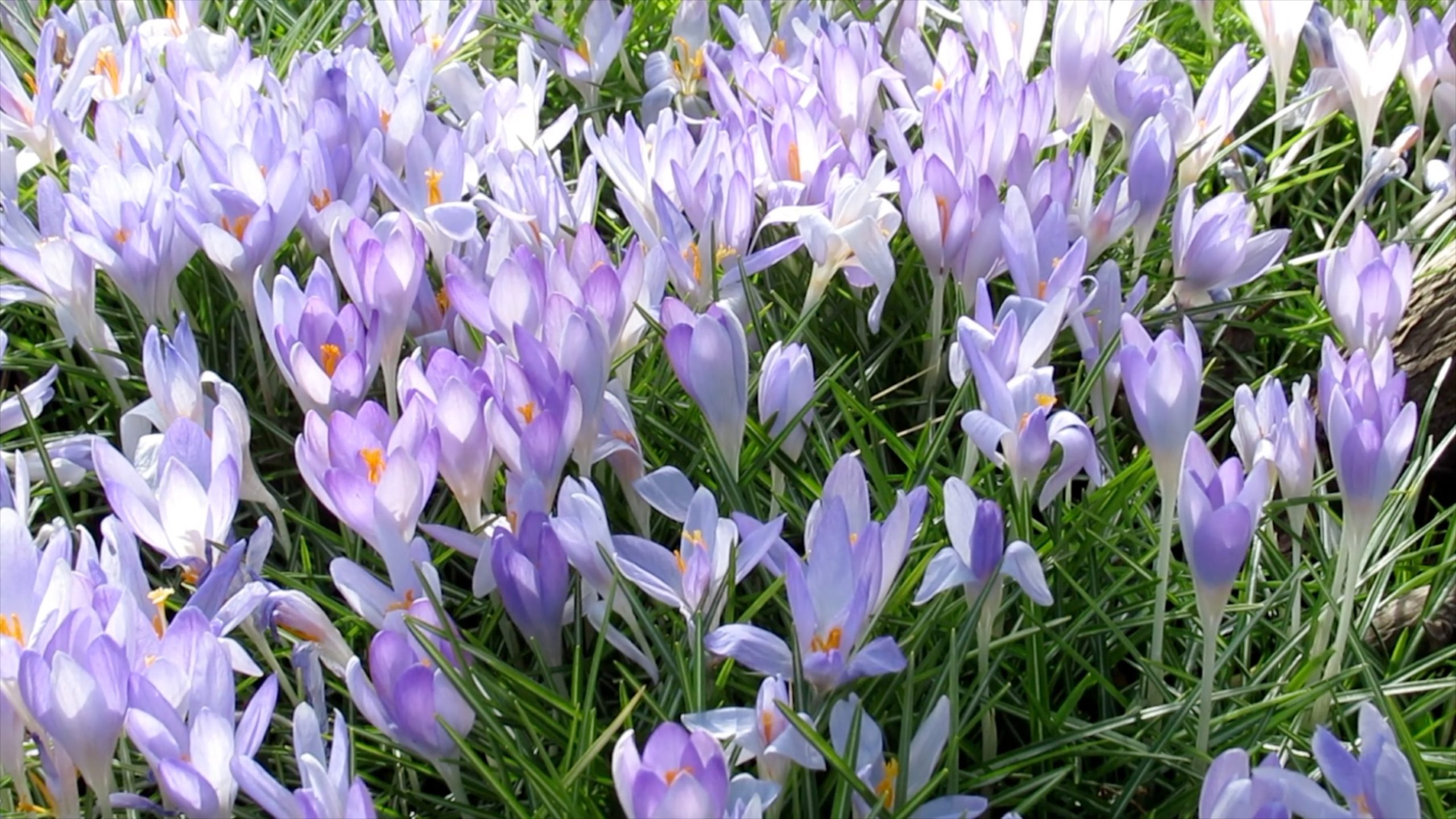
- Now is the time to order your spring bulbs for planting over the next few months. Crocus are a particularly excellent plant for early emerging bumblebees, alongside Snake’s Head Fritillaries, Daffodils and Bluebells. Alliums extend the spring bulb season right into early summer. Plant in drifts of the same plant for a truly impactful display
- As autumn trundles on into winter, bare root planting can happen. Buying bare root plants is a great way to reduce the impact of your gardening. Plants are lighter and therefore use less fuel to transport, and they’re often cheaper! Hedging plants and trees are great planted as bare root, so get researching nurseries now and identify what extra plants you can pop in your garden.
Finally, keep enjoying your garden!
Written by Ellie Mitchell